Condo or townhome in Upper Deer Valley? It is a great question, and the right answer depends on how you plan to live, use, and finance your place in Park City. You might want lock-and-leave ease next to the lifts, or you may value extra privacy and a garage for all your gear. In this guide, you will learn how ownership, HOA rules, financing, insurance, and rental options differ so you can choose with confidence. Let’s dive in.
Legal basics: condo vs townhome
Condo ownership, in plain terms
With a condominium, you typically own the interior of your unit and share an undivided interest in common areas like the grounds, roof, hallways, and amenities. The HOA usually maintains the exterior, shared systems, and common spaces. This setup often means simpler maintenance for you. It also means the master HOA insurance policy plays a major role in protecting the building.
Townhome ownership, in plain terms
With a townhome, you often own the structure and the land beneath it in fee simple. You may be responsible for the exterior, roof, and some site elements, depending on the CC&Rs. Townhome owners typically have more control over exterior changes, subject to HOA rules. Insurance needs can be different because you may insure the building shell, not just the interior.
Why labels can mislead
Some properties marketed as “townhomes” are legally condos, and some multi-level condos look like townhomes. Your rights and obligations are defined by the recorded deed, plat, and CC&Rs rather than listing photos or marketing terms. Before you decide, confirm the legal form through the Summit County Recorder and the governing documents.
Lifestyle fit in Upper Deer Valley
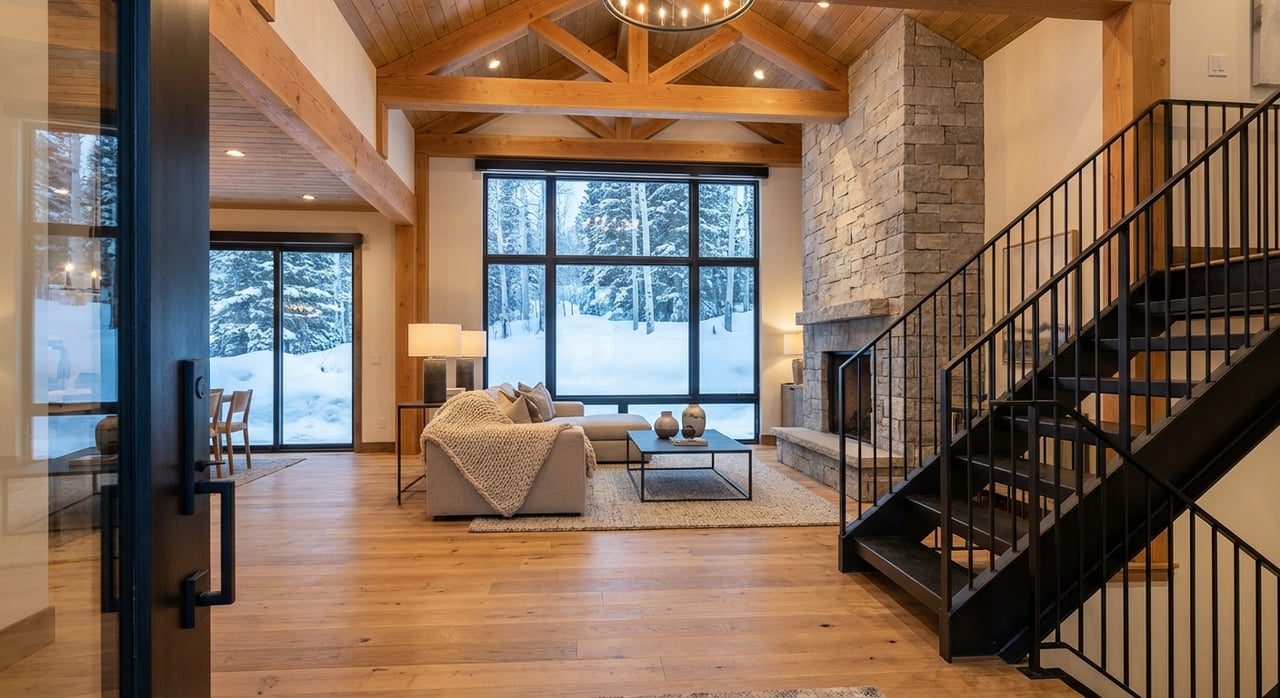
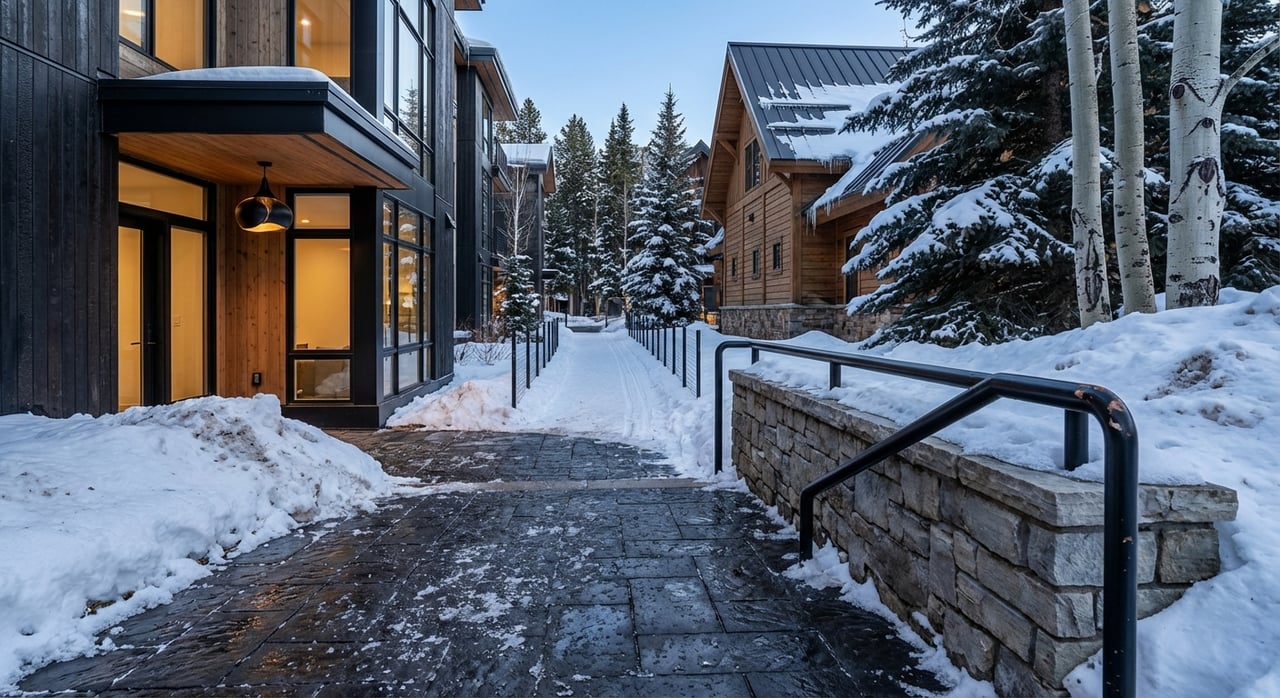
Upper Deer Valley offers a high-elevation, resort setting with premium access to Deer Valley Resort, mountain views, and luxury finishes. You will see a mix of stacked condos and row-style townhomes, many with ski-oriented features. Buyers here include primary residents who want quiet mountain living, second-home owners who value convenience, and investors evaluating rental potential.
Ski access and walkability
Some buildings or clusters offer true ski-in or ski-out access. Others rely on a short walk or shuttle. Because “ski-in/ski-out” can be used loosely, verify the actual access and route for each property. Map how you will store equipment and reach the runs on busy powder days.
Amenities and services
Condos in resort settings often provide shared amenities like lobbies, pools, fitness areas, ski storage, shuttles, or valet. Townhomes may offer fewer shared amenities but more private space, including garages and storage. If you want a lock-and-leave setup with bundled services like snow removal and trash, a condo can be a strong match.
Parking and storage
Parking is a major factor in mountain winters. Many townhomes include private garages, which helps with gear and daily use. Condo parking may be assigned stalls or shared garages, and guest parking can be limited during peak periods. Confirm how parking works in winter and where you will keep skis, bikes, and seasonal items.
Financing, taxes, and insurance
Financing rules to know
Lenders apply different standards to condos compared with fee-simple townhomes. Condo projects often must meet eligibility criteria set by Fannie Mae, Freddie Mac, FHA, or VA, which can affect your loan options, rates, or down payment. Fee-simple townhomes typically finance like single-family homes. If you plan to rent your property or use investment financing, discuss project approval and rental caps with your lender early.
Insurance in the mountains
Condo owners usually carry an HO-6 policy that covers the interior, personal property, and liability, while the HOA’s master policy covers the structure and common areas. Master policies vary, from “bare walls-in” to more inclusive coverage. Townhome owners often need an HO-3 or similar policy that covers the exterior and roof if the HOA does not. In Upper Deer Valley, consider winter weather, roof snow load, and potential wildfire factors when you compare quotes and deductibles.
Taxes and assessment exposure
Summit County assesses property taxes at the parcel level. Townhomes that include land may be assessed differently than stacked condos, even within similar tax rates and districts. Both condos and townhomes can face HOA special assessments. Review the reserve study, past assessments, and planned capital projects to gauge risk.
HOA costs and rental rules
What your dues usually cover
Condo HOAs commonly include exterior maintenance, roof, building insurance, common utilities, snow removal, trash, amenities, reserves, and professional management. Townhome HOA coverage varies. Some cover only roads, landscaping, or limited exterior items, while others include more. Ask for a clear list of services in writing so you can compare true monthly costs.
HOA health and red flags
Request the reserve study and current reserve balances, plus the operating budget and financial statements from the last 2 to 3 years. Look for recent or pending special assessments and any large capital projects on the horizon. Review the HOA’s insurance certificate, deductible levels, collection policies, and delinquency rates. Check for litigation that could affect operations, financing, or insurance.
Short-term rental rules
Park City and Summit County regulate short-term rentals with licensing, taxes, and property standards. HOA rules may be stricter than city or county rules, or they may prohibit rentals even when local law allows them. If rental income matters to your plan, confirm municipal licensing requirements, HOA restrictions, and any program rules for the specific property you are considering.
Who should pick what
If you want low maintenance
You may prefer a condo if you want a turnkey experience with bundled services and access to shared amenities. This setup can be ideal for second homes. Verify how the HOA handles snow removal, utilities, and on-site management so there are no surprises.
If you want control and privacy
You may prefer a townhome if you want more control over the exterior, a garage, or some land ownership. Townhomes often suit those living in Park City full time. Check the CC&Rs for what you can and cannot modify.
If you are focused on rental potential
Both condos and townhomes can perform well in resort markets, depending on location, amenities, and rules. Condos with strong amenity programs and established rental operations can command premiums. Whatever you choose, verify STR licensing, HOA policy, and lender requirements before you rely on projected income.
Your due diligence checklist
Use this list as you evaluate specific properties in Upper Deer Valley:
- Confirm legal form through the recorded deed and plat, plus the CC&Rs, bylaws, and rules.
- Request the HOA budget, recent financials, current bank balances, and the reserve study.
- Review HOA meeting minutes for the last 12 to 24 months and ask about planned projects.
- Get the HOA master insurance certificate and deductible details. Clarify if coverage is walls-in or bare walls-in.
- Ask about special assessments in the last 5 years and any expected assessments.
- Confirm rental rules, owner-occupancy requirements, and any rental caps in the CC&Rs.
- Verify parking allocations, guest policies, and winter snow storage rules.
- Inspect for water intrusion, roof condition, heating systems, and chimney safety.
- For winter logistics, confirm garage access, plow clearance, and guest parking.
- Speak with a local lender about project eligibility for conventional, FHA, VA, or investment loans.
- Obtain insurance quotes that reflect snow load and wildfire exposure, and understand your out-of-pocket if the master deductible is large.
- If you plan STRs, verify municipal licensing status, HOA compliance, any blackout dates, and a full year of rental revenue and expense history.
Ready to compare options?
Choosing between a condo and a townhome in Upper Deer Valley comes down to how you want to live, what responsibilities you are comfortable with, and how you plan to finance or rent. If you want help matching properties to your goals, let’s talk through your lifestyle, budget, and timeline. For thoughtful, local guidance, connect with Josh Chapel to Schedule a Consultation.
FAQs
What is the key legal difference between a condo and a townhome in Park City?
- A condo usually means you own the interior plus a share of common areas, while a townhome typically gives you fee-simple ownership of the structure and land; always verify with the deed and CC&Rs.
How do condo vs townhome financing rules differ in Upper Deer Valley?
- Condos may require project approval by Fannie Mae, Freddie Mac, FHA, or VA, which can affect loan options and down payments, while fee-simple townhomes often finance like single-family homes.
What insurance policies do condo and townhome owners need in mountain areas?
- Condo owners usually carry an HO-6 policy for interiors alongside the HOA master policy, while townhome owners often need HO-3 or similar coverage for the exterior and roof, with attention to snow and wildfire risks.
How should I verify ski-in/ski-out claims for a property near Deer Valley?
- Walk the route, review maps, and confirm storage and access details with the HOA or manager, since “ski-in/ski-out” is sometimes used loosely in marketing.
What should I look for in HOA health before buying in Upper Deer Valley?
- Review the reserve study, current reserves, financial statements, insurance certificate and deductibles, assessment history, planned projects, delinquency rates, and any litigation.
What do I need to know about short-term rentals in Park City and Summit County?
- Both jurisdictions regulate STRs with licensing and taxes, and HOA rules may be more restrictive, so confirm municipal requirements and CC&Rs before relying on rental income.