Trying to choose between East Village and Upper Deer Valley? You are not alone. These two Deer Valley micro-markets deliver very different day-to-day experiences, ownership dynamics, and long-term upside. In this guide, you will get a clear, side-by-side view of ski access, elevation and snow feel, village energy, privacy, property types and pricing context, rental rules, and long-term considerations so you can buy with confidence. Let’s dive in.
Quick take: key differences
- East Village: new, high-energy base area with branded hotels, modern lifts, strong skier services, and a managed, hospitality-first experience. Best if you want vibrant village life and turn-key services.
- Upper Deer Valley (Silver Lake): established, mid-mountain neighborhood with classic ski-in/ski-out homes and lodges, a quieter alpine feel, and a track record of premium values. Best if you want privacy and a residence-first lifestyle.
As of early 2026, East Village is expanding in phases, while Upper Deer Valley remains the legacy mid-mountain hub.
Ski access and daily flow
East Village access
East Village is purpose-built for easy arrivals and fast mountain access. You step into a pedestrian base with skier services, rentals, valet options, and lift connections designed to move people efficiently. The plan includes a 10-passenger gondola that links the base to Park Peak and the expanded terrain, part of Deer Valley’s multi-year growth program. You can review the master plan details and current phase status on the resort’s project hub at Deer Valley Expanded Excellence.
What this means for you: convenience and strong connectivity to new terrain, plus hotel-level services that can support rental revenue if that is part of your strategy.
Upper Deer Valley access
Upper Deer Valley centers on Silver Lake Village at mid-mountain, where many residences sit right on or near groomed runs. The experience is classic: step out, click in, and go. If you want direct, residence-first ski access without navigating a base village each day, this is often the preferred fit. You also have natural connections to established zones like Bald Mountain and Empire.
Elevation and snow feel
Elevation shapes how the mountain skis through the season. Deer Valley’s published stats place mid-mountain around 8,100 feet with an average snowfall near 300 inches. You can confirm resort elevations and seasonal overview on the official Deer Valley mountain information.
- East Village: more lower-elevation terrain and some east or south-facing aspects. Planners invested in extensive snowmaking and a large retention pond to keep coverage consistent on warmer exposures, which helps early and late in the season. Local reporting has highlighted the scale of these systems, including a roughly 10-million-gallon pond. See background on snowmaking infrastructure via TownLift’s coverage.
- Upper Deer Valley: the mid-mountain elevation generally provides a colder surface and longer natural snow persistence. That is one reason buyers prize Upper Deer Valley for spring shoulder weeks and a traditional high-alpine “snow feel.”
Bottom line: if you prioritize maximum natural-snow feel and late-season glide, Upper Deer Valley usually gets the nod. If you want modern lift access to new terrain with engineered consistency, East Village checks that box.
Village energy and amenities
East Village vibe
Think lively base energy with restaurants, retail, and four-season programming as the neighborhood builds out. The first hotel, the Grand Hyatt Deer Valley, opened in November 2024, bringing conference and hospitality scale to the base. You can see the hotel’s opening announcement for context on amenities and positioning at the Grand Hyatt Deer Valley newsroom page. Lifestyle features describe East Village as a modern, pedestrian village with public programming and event potential, which you can explore in Park City Magazine’s overview.
Upper Deer Valley vibe
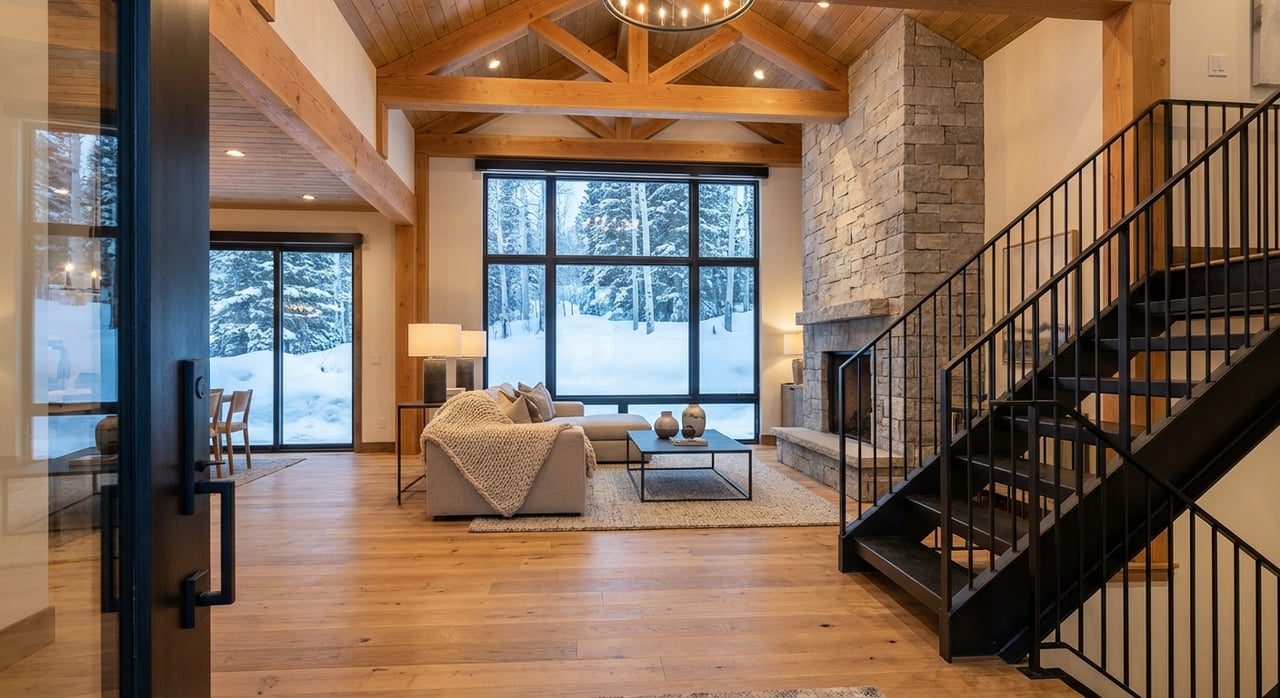
Upper Deer Valley feels more residential and serene. You will find fine-dining lodges, boutique services, and a quieter alpine rhythm rather than a wide retail core. Many buyers choose it for its legacy character, established neighborhoods, and relaxing mid-mountain atmosphere.
Privacy and density
East Village character
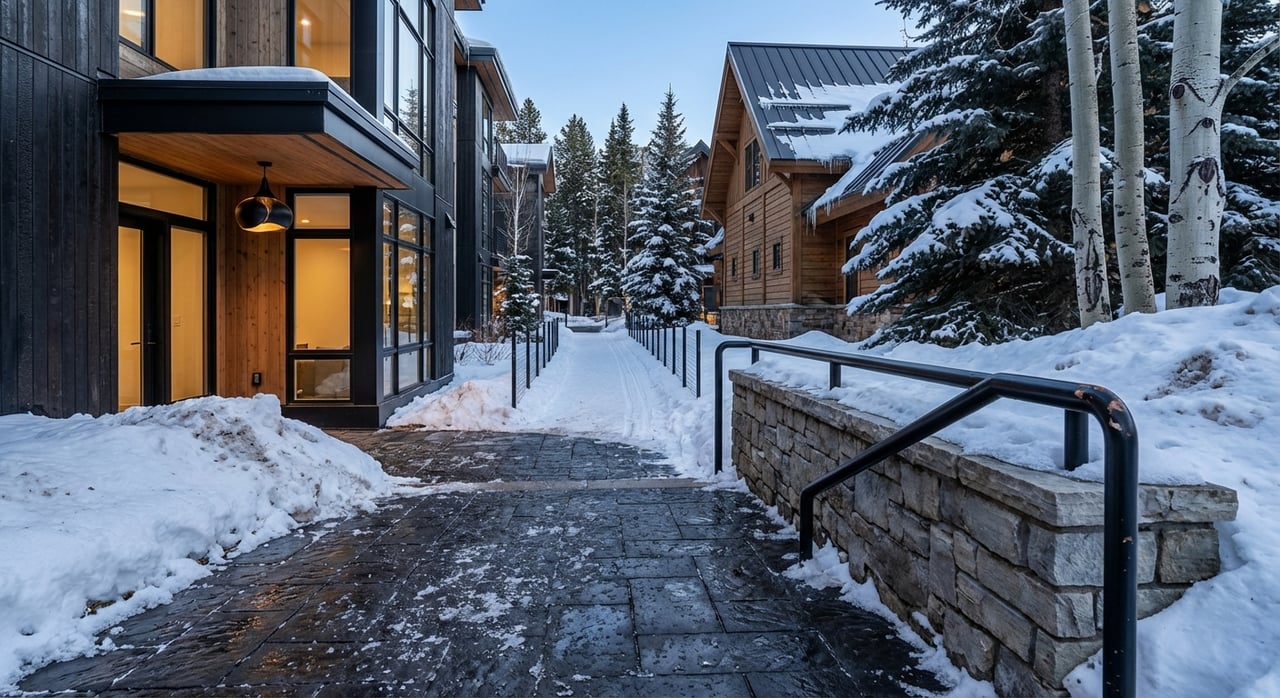
New base villages are busier by design. Hotels, branded residences, and pedestrian plazas translate to more guests, more foot traffic, and a higher proportion of short-term stays in certain buildings. That energy supports services year-round, but it will not feel as private as an estate neighborhood.
Upper Deer Valley character
Upper Deer Valley includes pockets of estate lots and lower-density enclaves with a residential focus. Many associations in upper neighborhoods lean toward tighter nightly rental standards, which supports a quieter feel. For an overview of Upper Deer Valley’s established, high-end residential profile, see this local brokerage snapshot.
Property mix and pricing context
East Village product
Expect new construction towers, branded residences, and hotel-residences, with select on-mountain single-family enclaves at higher tiers. Developer press has highlighted offerings like Cormont with early pricing that ranged from about the low $1.7 million mark into the high single digits for penthouses at launch, and branded products like Four Seasons and Grand Hyatt residences. For a concrete example of marketed product and positioning, review the Cormont launch press release. New-build ownership typically comes with modern amenities and optional managed rental programs.
Upper Deer Valley product
Upper Deer Valley features legacy luxury: ski-in/ski-out condos, townhomes, and estate homes, many updated from original builds in the 1980s–2000s. Sales in this area often sit at the top of the Deer Valley market, reflecting scarcity and a long record of mid-mountain desirability. Always use current MLS data for exact ranges before you write an offer, and expect premium pricing for true slope-side access.
Rentals, zoning, and taxes
Jurisdiction matters. Much of Upper Deer Valley falls within Park City or Summit County, while East Village activity involves Wasatch County and Heber-area permitting along with each building’s CC&Rs. Nightly-rental rights can differ by city, county, and HOA, and many hotel-style buildings explicitly allow managed nightly rentals while some mid-mountain HOAs set tighter rules.
If you plan to rent, confirm two things before you commit:
- Municipal licensing and compliance. Park City requires a Nightly Rental License with application and inspection steps. You can see the process on the Park City business licensing page.
- HOA and CC&Rs. Verify minimum-stay rules, manager requirements, and any hotel program fees in writing. These terms shape your net income and resale appeal.
Long-term ownership factors
- Supply and absorption. East Village is delivering a large wave of new hotel keys and residences in a compressed timeline. Added inventory improves amenities, but it can pressure near-term appreciation or short-term rental performance. Local coverage of the inaugural season notes how the neighborhood is evolving, which is useful context for your underwriting. For a high-level pulse, see the Park Record report on East Village’s first winter.
- Infrastructure and traffic. East Village includes expanded parking and lift capacity intended to streamline access. During multi-season buildout, expect occasional construction impacts and confirm timelines on the resort’s project hub.
- HOA dues and operating costs. Hotel-style buildings often carry higher common-area services and rental program fees. Legacy HOAs vary by reserve history and upcoming capital plans. Ask for budgets and reserve studies.
- Brand risk and upside. Branded hospitality like Grand Hyatt and Four Seasons can lift long-term demand if executed well, but they also introduce project delivery and market-cycle variables. Compare developer track records, escrow protections, and early resale comps.
Which is right for you?
Choose East Village if you want:
- A modern, lively base village with restaurants, shops, and programmed public space.
- Hotel-level services, valet, and managed rental options that simplify ownership.
- Fast lift connectivity to the resort’s newest terrain as phases come online.
Choose Upper Deer Valley if you want:
- A quiet, mid-mountain residence with classic ski-in/ski-out access.
- More privacy, lower-density pockets, and a legacy neighborhood feel.
- A market segment with a long premium track record at Deer Valley.
Buyer checklist
Use this quick list to focus your due diligence before you write an offer:
- Confirm jurisdiction and rental licensing. If the home is in Park City, read the Nightly Rental License steps. For other jurisdictions, request the city or county process in writing.
- Get the CC&Rs and current HOA rules. Note minimum-stay requirements, rental caps, manager obligations, and fee structures.
- Verify true ski access. Walk the approach to groomed trails or ask for the official on-site ski access plan.
- Check project phasing. For East Village, confirm which lifts, amenities, and roads are complete now versus coming soon on the Expanded Excellence site.
- Underwrite income conservatively. Ask for historic occupancy (resales) or a pro forma, then compare to independent STR data before you rely on rentals.
- Clarify snow management. Who covers plowing, heated driveways, roof maintenance, and during-storm access?
- Snowboard policy. Deer Valley has historically been a skier-only resort. If that affects your plans, verify the current guest policy with Alterra’s updates, such as their company news page.
Ready to talk through a specific building, HOA, or rental strategy? Reach out to Josh Chapel for a tailored plan, on-the-ground insights, and a clear path to the right Deer Valley fit.
FAQs
What is Deer Valley’s East Village as of 2026?
- East Village is a new, pedestrian-focused base area adding lifts, a gondola connection, hotels, residences, retail, and expanded skier services as part of a multi-year resort expansion.
How does ski access differ between East Village and Upper Deer Valley?
- East Village centers on base-to-peak lift connections and hotel-style services, while Upper Deer Valley offers direct mid-mountain ski-in/ski-out access from many residences.
Which neighborhood tends to have better late-season snow feel?
- Upper Deer Valley sits around mid-mountain elevation, which typically stays colder longer, while East Village relies more on robust snowmaking for early and late coverage on some exposures.
What rental rules should I expect in these areas?
- Rules vary by city or county and by HOA. Park City requires a Nightly Rental License, and some buildings allow managed nightly rentals while other HOAs limit them to preserve residential character.
What property types and prices are common in each area?
- East Village features new towers and branded residences with modern amenities, while Upper Deer Valley leans toward legacy luxury condos, townhomes, and estates at premium price points.
What long-term risks should I consider with East Village?
- Near-term supply from new deliveries, evolving traffic and construction phasing, and brand or developer execution timelines can all affect appreciation and rental performance.