Shopping for a place in Deer Valley East Village and noticing HOA dues that range from modest to sky high? You are not alone. In a four-season resort community, what you pay depends on the HOA type, the level of services, and how the association budgets for big-ticket items like snow removal and capital repairs. This guide breaks down the HOA structures you will likely see, what dues usually cover, and how to vet an association before you buy or sell. Let’s dive in.
HOA types in East Village
Condominium associations
Condo HOAs are common in ski-base buildings and stacked residences. They usually manage common areas, building exteriors, roofs, elevators, shared utilities in walls, and on-site property management. Some buildings include front-desk or concierge services. Dues are often assessed per unit by percentage interest defined in the declaration.
PUD and townhouse associations
Townhomes and clustered homes often fall under a planned unit development. You own the structure and often the lot, while the HOA maintains shared elements like landscaping, roads, and snow removal. Exterior responsibilities vary by CC&Rs, so confirm what the association maintains versus what you will handle as an owner.
Master and sub-associations
Large resort communities frequently use a master association for shared infrastructure. You might pay master dues for things like shuttles, private roads, or amenities, plus separate sub-association dues for your building or enclave. Expect either two invoices or a single combined bill, depending on the development.
Condo-hotel and fractional ownership
Some East Village buildings operate as condo-hotels or offer fractional ownership. Fees are higher because hotel-style services such as housekeeping, linen service, front desk, and marketing are bundled into dues. These structures also come with specific rental rules and income-sharing arrangements that you should review in the governing documents.
Single-family neighborhood HOAs
Detached homes may have lighter-touch associations. Dues often cover common-area landscaping, private roads, entry features, and architectural guidelines. Fees are typically lower than full-service condo buildings.
What fees include
Operating budgets usually cover landscaping and irrigation, snow removal, trash and recycling, common-area utilities, and day-to-day maintenance. You may also see management fees, security, concierge or front-desk staffing, and shuttle operations in resort settings. A portion of dues typically funds reserves for long-term capital replacements like roofs, decks, or elevators.
Special assessments can occur when unplanned costs arise or reserves fall short. The formula for assessments is set in the CC&Rs, so review how your development allocates costs per unit.
How dues are set
Associations use various allocation methods, including equal per unit, percentage interest, square footage, bedroom count, or fractional share. In master and sub-association structures, you may pay both levels. Annual budgets are prepared by the board or management, with approval rules outlined in the bylaws.
Reserve studies help boards set the right savings targets for future repairs. Adequate reserves reduce the risk of special assessments and stabilize dues over time. Many associations underfund reserves, which is why reviewing the latest reserve study and current balance is critical.
Typical fee ranges
Resort-area fees vary widely based on services and amenities.
- Single-family HOA with limited services: often tens to low hundreds per month.
- Mid-level condo or townhouse with limited services: often several hundred per month.
- Full-service condo-hotels or luxury ski-in and ski-out properties with concierge, valet, shuttle, and spa: commonly several hundred to over one thousand per month.
Always confirm actual dues in the current budget and estoppel certificate. Building specifics drive real costs.
Special assessments and reserves
Special assessments can be levied for capital projects or emergencies. Governing documents define who approves them and at what thresholds. Boards generally have broad authority to address maintenance and safety issues.
To gauge risk, focus on three items: the most recent reserve study, the current reserve balance, and upcoming capital projects listed in board minutes. If reserves are low and big repairs are looming, plan for either higher dues or a special assessment.
Insurance basics
Most condo buildings carry a master policy that covers common elements and the building structure. As an owner, you will likely need an HO-6 policy to cover interior improvements and personal property. Ask whether the master policy is bare walls out or includes interior finishes, and confirm deductibles. If a claim starts in your unit, you may be responsible for the association’s deductible. If you plan to rent, confirm any additional insurance requirements for short-term lodging.
Rentals and local rules
Deer Valley and Park City are active resort markets, so rental policies vary by building and association. Some HOAs allow short-term rentals with registration and compliance rules, while others restrict or prohibit them. Park City also requires business licensing and adherence to transient lodging taxes. Confirm the association’s rental policy and any municipal requirements before you buy.
Financing and resale impact
Lenders review an association’s financial health, reserves, and any pending special assessments. High dues can affect debt-to-income calculations for borrowers. Some loan programs have condo project eligibility standards related to owner occupancy, investor concentration, and litigation, which are relevant in vacation-oriented buildings. On resale, higher dues can be a value tradeoff when buyers want the services those fees support, like ski access, shuttles, and on-site amenities.
Due diligence checklist
Use this list to validate costs, rules, and near-term risk before you close.
Request these documents:
- Declaration and CC&Rs, bylaws, and rules
- Current operating budget and year-to-date financials
- Most recent reserve study and current reserve balance
- Board meeting minutes for the last 12 to 24 months
- Assessment schedule and recent dues increase history
- Estoppel certificate or payoff statement showing outstanding dues and any pending assessments or transfer fees
- Master insurance certificate with coverage limits and deductibles
- Litigation disclosures and management contract
- Rental and short-term rental policies
Ask these questions:
- Are any special assessments pending or planned, and for how much?
- What is the reserve balance and when was the last reserve study?
- What was the most recent dues increase and why?
- Which maintenance or capital projects are upcoming?
- Any insurance claims in the last three to five years, and how were they resolved?
- What are the leasing and short-term rental rules?
Watch for red flags:
- Underfunded reserves or no recent reserve study
- Large or repeated special assessments
- Ongoing litigation
- High delinquency rates or frequent board turnover
- Insurance gaps or unclear deductibles that could shift costs to owners
Local winter tips
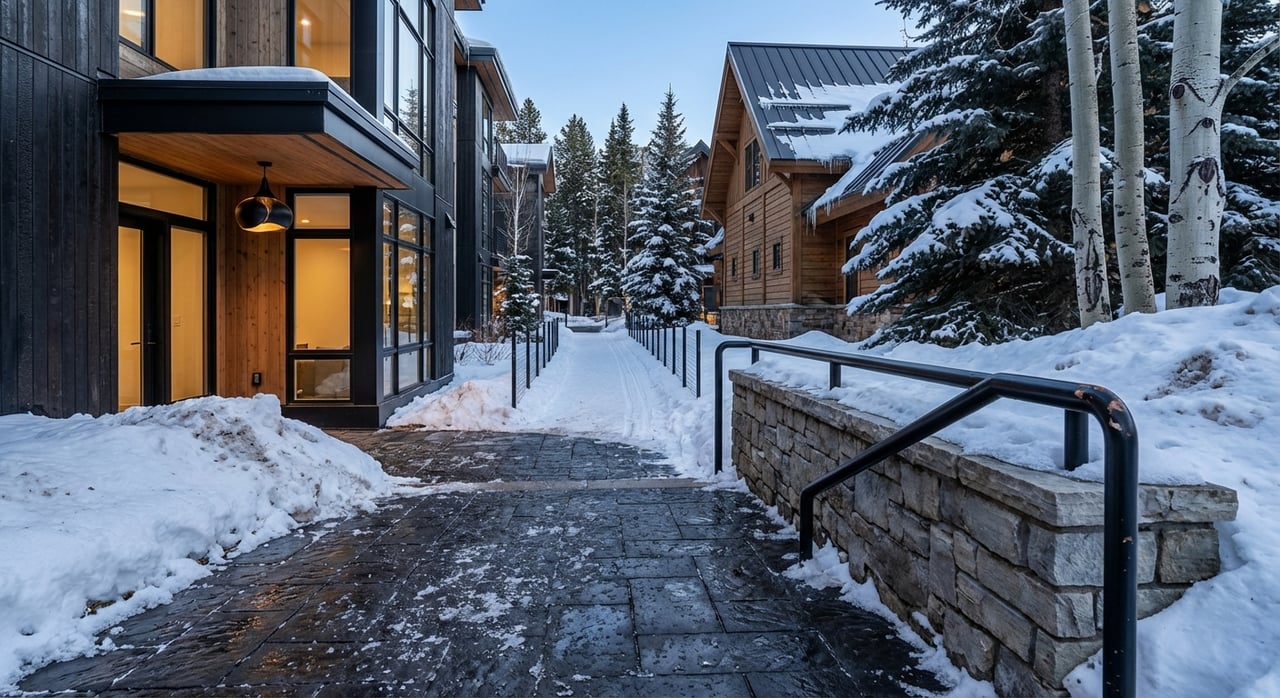
Snow removal is a major budget item in Deer Valley East Village. Confirm whether the HOA handles roads, driveways, walks, and decks, or if owners are responsible for some areas. In master association settings, shuttles and private road maintenance can add to dues but also improve day-to-day convenience in peak season.
Next steps
You will make a stronger decision when you know your HOA type, exactly what your dues cover, and how reserves look over the next five to ten years. Gather the key documents early, clarify rental and insurance requirements, and build a realistic carrying-cost plan that includes the possibility of special assessments. If you want help comparing buildings or understanding master and sub-association layers in Deer Valley East Village, connect with a local advisor who knows the terrain.
For a clear, personalized read on specific East Village HOAs, schedule a visit or a quick call with Josh Chapel. We will review budgets, reserves, rental rules, and insurance so you can buy with confidence.
FAQs
How much are HOA dues in Deer Valley East Village?
- It varies by building and services, from lower dues in single-family neighborhoods to several hundred or more per month in full-service condos; always verify with the current budget and estoppel.
What do HOA fees usually include near the slopes?
- Common items include snow removal, landscaping, trash, common utilities, building maintenance, management, reserves, and sometimes concierge, security, or shuttle services.
Can an HOA levy a special assessment in Utah?
- Yes; the CC&Rs and state law govern how assessments are approved, and boards typically have authority for maintenance and emergency needs.
Are short-term rentals allowed in East Village HOAs?
- It depends on the association; many have specific rules, and Park City requires licensing and compliance with local transient lodging regulations.
What insurance coverage do I need for a condo here?
- Most owners carry an HO-6 policy for interior finishes and personal property and consider loss assessment coverage; confirm the master policy’s coverage and deductible.