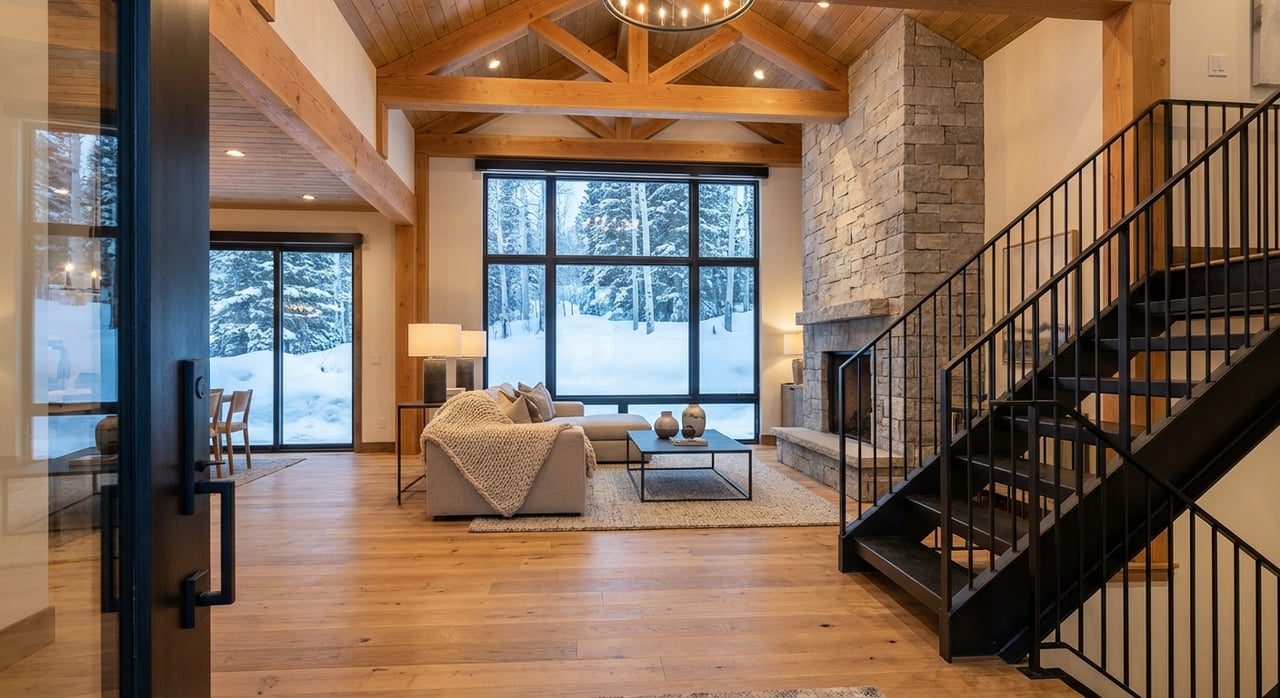
Thinking about buying a branded residence at Deer Valley East Village? You’re looking at a unique blend of luxury living, resort services, and potential rental income. It’s exciting, but it’s also different from purchasing a typical condo. In this guide, you’ll learn how branded residences work, what to verify at East Village, and how to model returns so you can invest with confidence. Let’s dive in.
Branded residences, explained
Branded residences are privately owned homes connected to a luxury hospitality brand. You typically get on-site management, concierge and housekeeping, and access to resort amenities like pools, spa, fitness, ski services, and restaurants. Some projects offer an optional or mandatory rental program that the brand manages with a revenue split.
Investors often like the prestige, convenience, and potential for stronger rental demand that established brands can bring. You may also see better resale interest from buyers who already trust the brand. The trade-offs include a higher purchase price per square foot, elevated HOA dues to support full-service operations, and stricter rules on renovations, furnishings, and rental usage.
Why look at Deer Valley East Village
Deer Valley is a premier ski destination with demand that peaks in winter and carries a summer shoulder season. In a branded setting, you are combining that destination appeal with a hospitality name that can help drive bookings and streamline operations. That combination is attractive if you want both a personal mountain retreat and a property that can participate in short-term rentals.
To make a smart decision at East Village, focus on verifiable details: the specific brand partner and manager, ownership structure, rental program terms, and the project’s construction status and timeline. Each element affects your net cash flow, personal use flexibility, and long-term resale options.
What to verify before you buy
Location and access details
Confirm proximity to Deer Valley Resort lifts, base area services, and how traffic patterns affect arrival and departure during peak ski weeks. Access can influence guest satisfaction, ADR, and occupancy.
Developer, brand, and management roles
Identify the developer and the luxury brand tied to the residences. Clarify whether the brand operates on site or licenses its name to a third-party manager. Ask how brand standards are enforced and how service quality is measured.
Development status and timeline
Determine whether East Village phases are proposed, under construction, pre-selling, or completed, and the expected delivery dates. Construction timing and phasing can affect rental ramp-up, carrying costs, and when amenities come online.
Unit mix and design standards
Review floor plans, from studios to multi-bedroom layouts. Check for lock-off configurations that enable flexible rentals. Understand design and finish standards required by the brand, since they can impact cost and owner flexibility.
Amenities and services
List out everything that is included. Look for ski valet, fitness and spa facilities, pools, on-site dining, children’s programming, and any private owner amenities like storage or dedicated elevators. Amenities drive demand but also increase operating budgets.
Ownership structure and title
Confirm whether you are purchasing fee simple, a condominium interest, or a fractional share. Ownership type affects financing options, taxation, HOA governance, and resale mechanics.
Rental program rules and owner use
Ask whether the rental program is optional or mandatory. Note owner booking windows, minimum night requirements, and any blackout periods. Understand the reservation system and owner priority rules.
Fees and chargebacks
Request projected HOA dues and a line-item budget. Ask for details on management fees, rental commissions, housekeeping charges, marketing fees, and reserve contributions. Understand special assessment policies and how utilities are handled.
Comparable branded product
Identify comparable branded residences in Deer Valley and greater Park City to benchmark pricing, ADR, occupancy, and resale trends. True comps help you set realistic revenue assumptions and exit expectations.
Revenue and seasonality in Deer Valley
Deer Valley’s rental demand is strongest during the ski season, with variable shoulder and summer periods. Your revenue model should reflect the length and strength of the core winter season and the events that drive off-season nights. Branded properties often command a premium ADR because of brand recognition, consistent service standards, and integrated booking platforms.
To refine your projections, request historical ADR and occupancy for comparable luxury condo-hotels in Deer Valley and Park City over the last two to three years. If you plan to use the home personally, factor in the value of those nights for you, since they remove available days from your rental calendar.
The cost stack that shapes returns
Operating a branded residence comes with recurring costs you should quantify before you write an offer:
- HOA dues supporting full-service amenities and staffing, plus contingency reserves
- Management and rental program fees, including booking commissions and marketing costs
- Housekeeping and turnover fees for rentals
- Insurance, utilities, maintenance, snow removal, elevator service, and shared infrastructure
- Transient occupancy taxes and any sales taxes on rental activity
- Financing costs specific to resort-branded product, which can differ from conventional condos
These expenses are not inherently bad. They support the level of service that attracts guests and protects the brand’s reputation. The key is to size them correctly in your model.
How to model returns with clarity
A simple framework helps you compare options apples to apples:
- Estimate gross revenue: ADR multiplied by occupancy multiplied by available nights after owner use.
- Calculate net operating income: deduct HOA dues, management and rental fees, housekeeping, insurance, utilities, reserves, and applicable taxes from gross revenue.
- Derive a cash yield: net operating income divided by your cash invested. Compare this to local resort cap rates for similar product.
- Run sensitivities on the big levers: occupancy, ADR, HOA increases, and unexpected capital assessments.
Remember that owner-use value matters. If premium holiday weeks are primarily for your family, you may accept a lower cash yield in exchange for lifestyle benefits.
Legal, HOA, and contract checkpoints
Short-term rental regulations
Confirm the exact jurisdiction for East Village because rules vary by municipal and county boundaries. Look for licensing requirements, minimum rental durations, transient room tax rules, and enforcement details. Regulatory limits can reduce rental flexibility and revenue.
HOA and CC&R rules
Study bylaws and CC&Rs for rental restrictions, subletting rules, design and furnishing standards, voting rights, reserve policies, and special assessment procedures. Check whether the brand or manager has approval rights over changes that affect standards.
Brand and rental agreements
Review the management and brand agreements for term length, termination clauses, performance metrics, and fee structures. In the rental pool contract, focus on revenue splits, payout timing, owner booking priority, and how direct brand bookings are allocated.
Resale and transfer terms
Ask about transfer fees, right of first refusal, and any resale restrictions. These terms influence liquidity and your exit timing.
Insurance and liability
Clarify what the master policy covers and what you must insure individually. Confirm liability coverage for hotel-managed amenities and how guest incidents are handled.
Key risks to weigh
Every resort investment involves risk. At East Village, focus on:
- Development risk from delays, cost changes, or brand shifts if the project is not yet delivered
- Market risk tied to luxury ski demand and broader economic cycles
- Brand and management risk if execution falls short of standards
- Regulatory risk if short-term rental rules tighten or taxes increase
- Liquidity risk since luxury resort inventory can take longer to sell in softer markets
A clear-eyed view of these risks helps you set the right price, plan your holding period, and pick the best unit.
Due diligence checklist
Use this list to structure your requests and conversations:
- Offering materials: prospectus or offering plan, purchase agreement, floor plans, HOA bylaws and CC&Rs, pro forma budgets, reserve study, and sample rental or management agreement
- Financial examples: projected HOA dues with inclusions, fee schedules for the rental program, housekeeping costs, and sample owner payout statements from comparable branded programs
- Regulatory confirmation: short-term rental licensing and transient tax requirements for the correct jurisdiction, plus any pending rule changes
- Construction and quality: specifications, warranties, construction timeline, and independent inspection reports for completed or in-progress phases
- Brand and management: agreement term length, performance standards, termination rights, and conditions that could affect branding
- Taxes and financing: property tax assessment approach, typical financing terms for branded resort units from local lenders, and depreciation considerations for furnished condos
- Market comps: recent sales of branded and non-branded condos in Deer Valley and Park City, plus resale days on market and pricing trends
How a boutique advisor helps
You do not need to navigate this alone. A local, boutique approach backed by strong brokerage resources gives you the best of both worlds. You get on-the-ground guidance, curated comps, and a streamlined process, with the distribution and compliance strength of a respected national brand behind it.
If you are weighing specific East Village releases or want a second set of eyes on offering documents, let’s talk. We will map your lifestyle goals, rental objectives, and risk tolerance to the right unit and timing so you can move forward with clarity.
Ready to explore branded residences at Deer Valley East Village with a local expert by your side? Schedule a conversation with Josh Chapel to start a focused, data-informed search.
FAQs
What is a branded residence at Deer Valley East Village?
- It is a privately owned condo or unit tied to a luxury hospitality brand that provides hotel-level services, amenities, and often a brand-managed rental program.
How do rental programs for branded residences typically work?
- Many offer optional or mandatory short-term rental participation with a revenue split, along with booking, housekeeping, and marketing handled by the on-site brand manager.
What costs should I expect beyond the purchase price?
- Expect higher HOA dues for full-service amenities, management and rental fees, housekeeping charges, insurance, utilities, reserve contributions, and applicable lodging taxes.
How do I estimate income for an East Village unit?
- Use ADR times occupancy times available nights after owner use, then subtract operating costs, fees, reserves, and taxes to estimate net operating income and cash yield.
Are there rules that limit short-term rentals near Deer Valley?
- Yes, regulations differ by jurisdiction, so confirm the correct municipal or county rules for licensing, minimum stay requirements, and transient tax compliance.
What documents should I review before committing to a unit?
- Obtain the offering plan, HOA bylaws and CC&Rs, pro forma budgets, reserve study, sample rental agreements, fee schedules, and comparable sales and rental performance data.