Trying to choose between a brand-new residence and a proven resale in Deer Valley East Village? You’re not alone. The area around the eastern side of Deer Valley Resort offers a mix of new projects and established properties, each with its own costs, rules, and timelines. In this guide, you’ll learn how to compare both paths so you can buy with clarity and confidence. Let’s dive in.
Define East Village
“Deer Valley East Village” is a commonly used term for the eastern village area associated with Deer Valley Resort. Exact boundaries can vary between MLS maps, county parcel records, HOA documents, and developer marketing. Before you run comps or schedule tours, define the search area you plan to use and keep it consistent across your analysis.
Ask your agent to align the boundary you’re using with MLS data, HOA maps, and any applicable developer site plans. This ensures you compare like with like across new and resale options.
New vs resale snapshot
New construction advantages:
- Modern layouts, current finishes, and potential customization
- Initial warranty coverage and reduced near-term maintenance
- Potential energy-efficiency upgrades and new mechanical systems
New construction tradeoffs:
- Higher base prices and upgrade costs
- Construction timelines and possible delays
- Early HOA unknowns, such as reserve strength and future assessments
Resale advantages:
- Faster closings and immediate occupancy
- Established HOA history and known operating costs
- Potential for negotiation and value if a seller is motivated
Resale tradeoffs:
- Older systems and possible deferred maintenance
- Fewer opportunities to customize without remodeling
- Condition and finishes can vary widely by property
Inventory and supply
New construction inventory in East Village can feel either scarce and premium or relatively abundant, depending on project phase and release timing. Resale supply shifts with seasonality and resort demand. To understand your leverage as a buyer or seller, review active listings, recent absorption, and days on market by property type.
A focused, apples-to-apples comparison should include both current offerings and recent closed sales. Look at price per square foot alongside unique features such as view corridors, proximity to the slopes, and access to village amenities.
Price and total cost
The purchase price is only part of the story. New homes often carry a premium, and upgrade selections can add up quickly. Resales may be more negotiable, and you can often see a documented history of utility and maintenance costs.
Key cost items to evaluate:
- Purchase price and price per square foot for true comparables
- Upgrade budgets, change orders, and what’s included in the base price for new builds
- Closing costs differences, such as builder fees or preferred-lender structures for new homes
- Ongoing expenses, including HOA dues, potential special assessments, property taxes, utilities, and maintenance
Request written estimates for upgrades, a detailed closing cost breakdown, and the most recent HOA budget and reserve information before you finalize numbers.
Design and efficiency
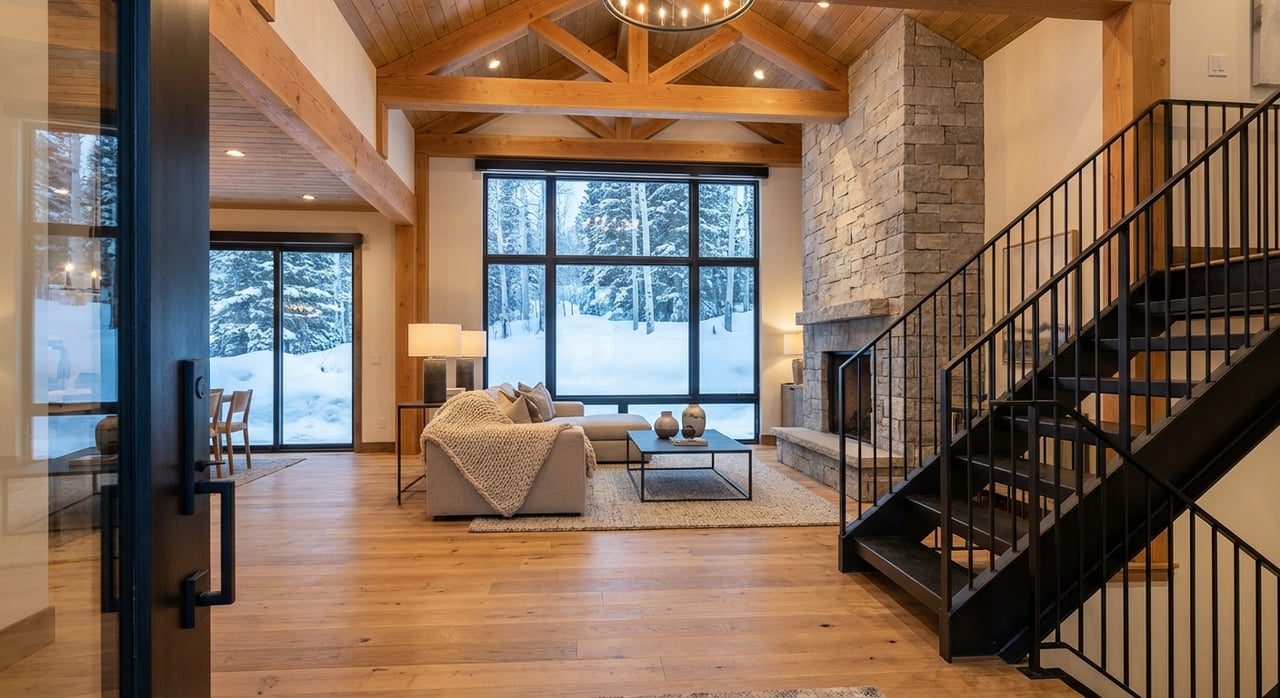
New construction typically offers open layouts, current finishes, and modern systems. Many projects emphasize energy efficiency, which can lower operating costs and improve comfort. If you value contemporary design and a cohesive finish package, new builds can be a strong fit.
Resale properties can provide established character, mature settings, and proven floor plans. If you plan to remodel, check HOA rules and design standards to understand what changes are allowed, whether architectural review is required, and how long approvals typically take.
Timing and delivery risk
New construction involves construction timelines, access limits during the build, and punch-list procedures near completion. Contracts often outline deposit schedules and contingency language for delays. If you are early in a phase, your move-in could be many months away, and you may live near ongoing construction as later phases finish.
Resale purchases typically close faster, with set inspection windows and more predictable possession dates. If you need a home for a specific season, resale might be the safer path for timing.
Warranties and condition
New homes usually include builder warranties and manufacturer coverage on systems and appliances. This can reduce near-term repair risk. Still, it is wise to conduct independent inspections and a thorough final walk-through to verify fit and finish.
Resale homes benefit from detailed inspections. Consider specialized evaluations where appropriate, including structural, mechanical, roofing, and environmental checks. Maintenance records, recent upgrades, and service histories can help you quantify future costs.
Financing and incentives
Some builders work with preferred lenders and may offer incentives such as closing cost contributions, upgrade credits, or rate buydowns. In certain cases, construction or draw-based financing may be needed during the build.
Resale financing tends to be more straightforward, though appraisal and loan terms will still vary by lender and property type. Ask for a side-by-side estimate that reflects the specific property and your timeline.
HOA and rental rules
HOA dues, reserve funds, and policies can materially affect ownership experience and returns. Review CC&Rs, budgets, reserve studies, meeting minutes, and rules on parking, pets, design standards, and owner-use limitations.
If you plan to rent your property, confirm short-term rental rules and any resort or project-specific rental program requirements. Understand licensing, minimum-stay rules, and any fees or revenue splits. These details are critical for second-home buyers and lifestyle investors.
Resale value and liquidity
Marketability in East Village often follows a few core drivers: proximity to ski access, quality of views, cohesive finishes, and overall condition. Turnkey properties that align with resort demand typically capture broader interest.
To gauge future liquidity, study recent closed sales and days on market for similar homes with comparable location, access, and finish quality. Projects with healthy reserves and clear rental policies can also appeal to more buyers.
Choose your best path
Use this quick framework to focus your decision:
- Timeline: Do you want to move in soon, or can you wait for a build?
- Customization: Do you prefer selecting finishes now, or would a turnkey resale meet your needs?
- Budget risk: Are you comfortable with upgrade and change-order costs, or do you want established operating history?
- Rental strategy: Do HOA and local rules align with your plan to rent or not rent?
- Tolerance for construction: Are nearby phases still under construction, and is that acceptable to you?
A smart next step is to assemble a clean, matched set of comps with HOA documents, builder disclosures, and a closing cost side-by-side. That gives you a full picture of price, timeline, rules, and long-term ownership costs.
Ready to compare?
If you want a clear, data-driven comparison of new construction and resale options in Deer Valley East Village, let’s talk. We can define your search area, line up true comparables, review HOA and rental rules, and map costs and timelines so you can move forward with confidence. Connect with Josh Chapel to get started.
FAQs
What is Deer Valley East Village and how are boundaries defined?
- The term describes the eastern village area tied to Deer Valley Resort, and boundaries can vary across MLS, county, HOA, and developer maps, so use one consistent map for comps.
How do new-build closing costs differ from resale in East Village?
- New builds may include builder-specific fees or preferred-lender structures, while resales follow more typical county and title fees; request written estimates for both.
Are short-term rentals allowed in East Village properties?
- Rules vary by HOA and local ordinances; verify CC&Rs, any required licenses, and project or resort rental program requirements before you buy.
How long does new construction take before move-in?
- Timelines depend on phase and builder schedules; review the construction calendar, deposit and delay language, and historic delivery performance for similar projects.
Do new-build warranties cover major systems and finishes?
- Builders typically provide warranty coverage for defined periods, plus manufacturer warranties for systems and appliances; confirm scope, length, and claim procedures.
What drives resale value near Deer Valley’s East Village?
- Proximity to ski access, views, cohesive finishes, condition, and clear HOA and rental policies tend to improve marketability and support stronger demand.