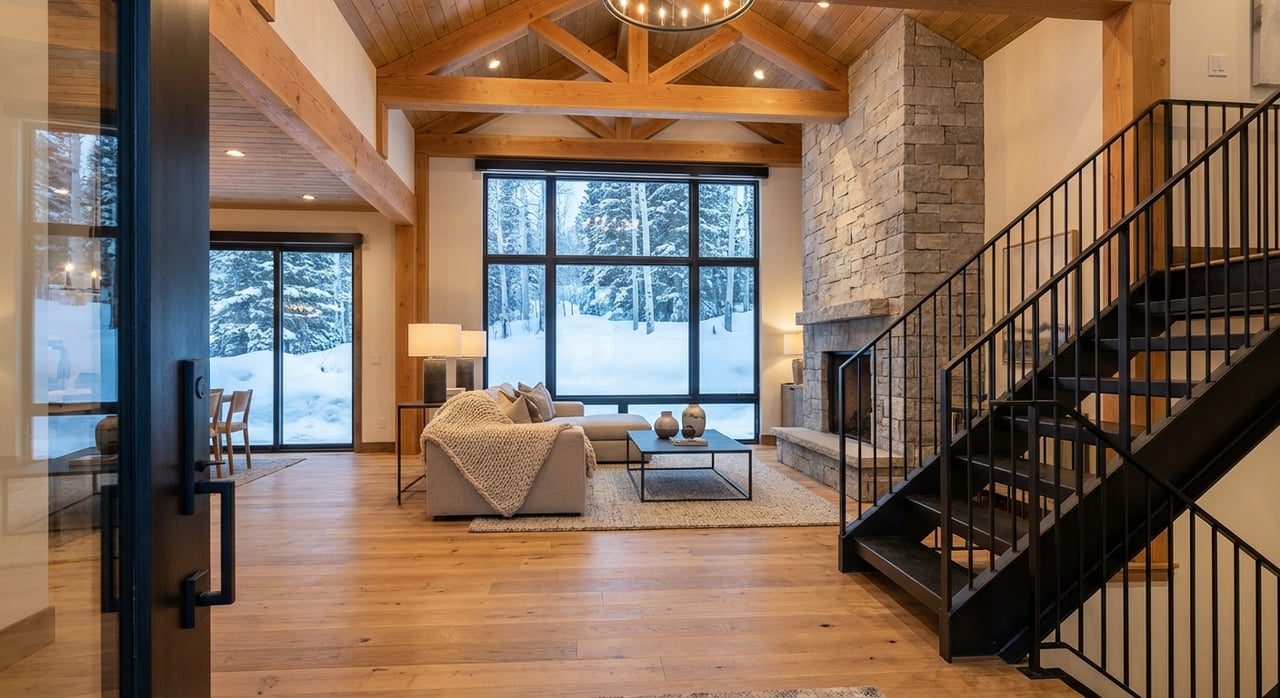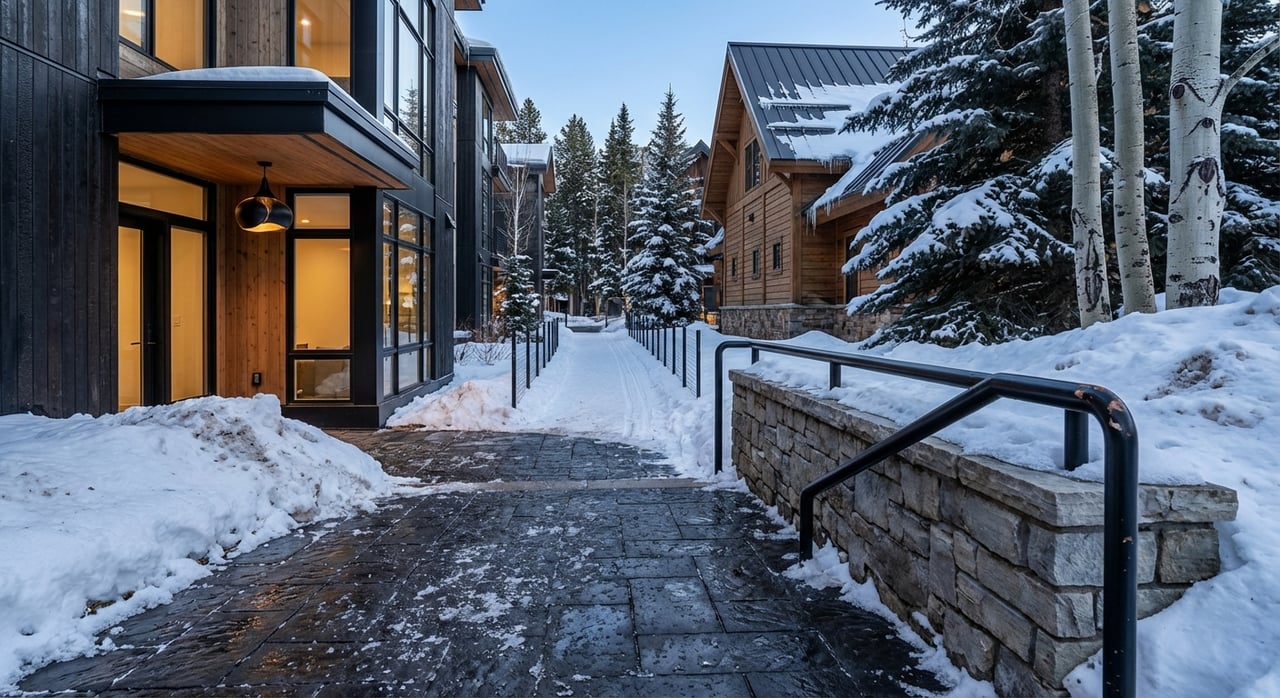
What if your mornings started with mountain light on fresh snow and ended with a quiet stroll to dinner in a new village at the base of Deer Valley? If you are considering a home or investment in East Village at Deer Valley, you are likely picturing a walkable, service‑rich lifestyle with four seasons of recreation. It is exciting to imagine, and it helps to ground that vision in how daily life may actually work once the village opens and evolves. In this guide, you will get a realistic look at routines, mobility, amenities, and key buyer checks to help you decide if East Village fits your goals. Let’s dive in.
Where East Village fits in Park City
East Village at Deer Valley refers to a planned base‑area neighborhood linked to Deer Valley Resort. As with other base areas, the focus is simple access to lifts, guest services, lodging, retail, and year‑round public spaces. That means a pedestrian‑friendly core with restaurants, gear shops, and places to gather.
Your day will not exist in a bubble. East Village connects to the broader Park City lifestyle, from Old Town’s historic Main Street to Kimball Junction’s larger shopping district. You can keep your day compact in the village, or branch out for errands, dining, and events.
For official resort operations, lift information, and on‑mountain services, start with the Deer Valley Resort site. For project status, approvals, and planning conditions, check Park City’s planning pages, which publish commission documents and updates.
Getting around: walk, shuttle, and bus
A base‑area village is designed for walking, with short blocks and a central plaza leading toward lift access. Actual walk times depend on the specific building and lift placement, so confirm this for any property you consider.
Beyond walking, you will have several options:
- Park City’s bus system links the resort areas, Old Town, and Kimball Junction. You can review routes and schedules on Park City Transit.
- Resort or HOA shuttles often connect buildings with lifts, dining, and off‑site services.
- Private vehicles and ride‑hailing work well for grocery runs or after‑dinner returns.
If you are flying in, Salt Lake City International Airport is the primary gateway for Park City. Many owners use a mix of airport shuttles, car service, or rental cars for the final leg to their residence.
Winter: a day in the life
Picture a crisp morning. You leave your building, grab your skis from a heated locker room, and walk to the village plaza for lift access. If your building sits farther out, you might take a short shuttle or valet drop to the snow. Specifics will vary by parcel, and genuine ski‑in/ski‑out access should be verified for each property.
By midday, the village hums with energy. It is easy to come off the mountain for a quick lunch, a gear tune, or a warm drink at a base‑area café. Expect high foot traffic during peak weeks. Resort services typically run at full capacity, and you will feel it in the rhythm of the plaza.
Evenings bring a different pace. Restaurants and bars light up, and winter programming may add live music or seasonal festivities. If you rent your residence, a property manager may handle guest turnover while you enjoy a quiet night in. If you live full‑time, you will learn which streets feel the calmest and when to plan around peak arrivals.
Winter practicality matters too. Snow clearing, parking rules, garage access, and heated sidewalks where provided all shape your day. HOA services and building design can make mornings smoother, especially when you are managing gear for a group.
Summer: trails, patios, and long evenings
Summer shifts the soundtrack. Mornings start with hiking or mountain biking, and if summer lift operations are running, you can roll right into lift‑served terrain. Families and day visitors gather in plazas and green spaces. Bikers rinse off at wash stations. Dogs nap under patio tables.
Midday often means a relaxed lunch on a deck, a fitness class, or a seasonal market or festival. Retail transitions from winter gear to outdoor and lifestyle shops. The village feels more open, with people moving between shaded seating and trailheads.
Evenings stretch with the light. You might catch live music, meet friends for dinner outside, or keep it simple and grill on your balcony. Event schedules, programming, and tenant mix will determine how lively or low‑key nights feel from week to week.
Homes and daily comforts
Expect a mix of condos, hotel‑condo units, and townhomes. Base‑area living is all about convenience. Look for:
- Dedicated ski lockers, bike storage, and mudrooms.
- Heated garage parking and clear guest parking guidance.
- On‑site property management and concierge services.
- Owner locker systems and package handling.
- Pet relief areas and well‑planned loading zones.
HOA rules and budgets matter a lot in a village setting. Shared services like snow removal, shuttles, landscaping, and amenity maintenance add comfort and cost. Ask for the latest HOA documents and financials for any building you are considering.
Food, retail, and errands
You can expect restaurants that range from casual cafés to upscale dining, plus après spots and gear shops. Everyday services within the village will grow as leasing matures. For bigger errands and groceries, many residents head to Kimball Junction, which is Park City’s larger commercial area. Old Town adds boutique shops, galleries, and dining when you want a historic stroll.
How you use these hubs will depend on your needs. Some owners lean into the village and rarely drive on vacation days. Full‑time residents often develop a routine that layers village life with quick trips to Kimball Junction for weekly essentials.
Neighbors and community rhythm
Base‑area neighborhoods typically blend short‑term visitors, second‑home owners, a smaller group of full‑time residents, and resort workers. Weekends and holidays trend busier. Weekdays can feel calmer. This mix brings energy and services, along with occasional crowding during peak season. If you prefer quiet nights, choose a residence and building orientation that eases noise from the central plaza.
Events, activation, and noise
Seasonal programming is part of the appeal. Winter might bring festivals and holiday events. Summer often includes concert nights, family programming, and outdoor classes. Frequency and scale will vary based on the resort and city calendars. For context on community updates and event impacts, local outlets like The Park Record and KPCW track public discussions.
Due diligence: what to verify before you buy
Use this checklist to confirm daily‑life details and protect your investment:
- Lift access and easements. Ask for site plans and disclosures that show exact walking routes and any access easements to and from the snow.
- HOA budget and rules. Review dues, reserves, assessments, rental policies, parking rules, pet policies, and any special assessments for village infrastructure.
- Short‑term rental rules. Regulations change over time and vary by zone. Confirm licensing and neighborhood requirements through Park City’s municipal pages and Summit County, and with the building’s HOA.
- Parking and storage rights. Verify deeded spaces, guest parking, locker assignments, and bike storage access.
- Insurance needs. Mountain properties can carry different risk profiles. Ask your insurer and lender about coverage expectations for your property type.
- Utilities and services. Confirm utility setups, mail and package handling, and trash and recycling schedules.
- Construction phasing and impacts. If buying in an early phase, review the construction timeline, completion guarantees, and potential interim impacts. City planning pages at Park City are a good starting point for approvals and conditions.
Financing and resale considerations
Financing can differ for a condo, a hotel‑condo, or a mixed‑use building. Some lenders treat hotel‑condo units under different underwriting standards, including owner‑occupancy requirements. A local lender who frequently closes resort properties can clarify options.
For resale, buyers often prioritize proximity to lifts, sleeping capacity, functional floor plans, and building amenities. Rental performance, when allowed, can also shape demand. Work with your advisor to compare like‑for‑like properties in the village and nearby neighborhoods.
Construction timelines and project status
Major base‑area projects go through planning review, traffic and environmental studies, and ongoing negotiations over parking, housing, and transit mitigation. For current status, conditions, or phasing, rely on Park City’s planning resources and local reporting from The Park Record. These sources capture updates that influence access, timing, and lifestyle.
Is East Village a fit for you?
East Village favors buyers who want easy mountain access with services at the door. If you value a new‑build environment, programmable public spaces, and a walkable daily routine, this neighborhood makes sense. If absolute quiet is your top priority, consider edge‑of‑village locations or comparable neighborhoods with more separation from event spaces.
Here are common buyer profiles who find a strong fit:
- Second‑home owners who want turnkey, amenity‑rich living close to lifts.
- Lifestyle investors, where rental flexibility is permitted by the city and HOA.
- Downsizers who prefer services over yard work and long drives.
- Active families who want trails, classes, and seasonal programming nearby.
If this aligns with your goals, the next step is to match the right building, floor plan, and phase to your lifestyle and timeline.
Ready to explore specific properties and confirm the details that matter to you? Connect with Josh Chapel to map your options, compare buildings, and tailor a plan that fits your life in Park City.
FAQs
How close are East Village homes to Deer Valley lifts?
- Proximity depends on the exact building and lift placement. Ask for the site plan, verify walking routes and easements, and review resort operations on the Deer Valley Resort site and project filings on Park City’s planning pages.
Can I rent my East Village residence short term?
- It depends on city zoning, licensing, and HOA rules. Confirm current ordinances with Park City’s municipal pages, check county guidance at Summit County, and review your building’s HOA documents.
How will I get around without a car in winter?
- Many residents rely on walking, resort or HOA shuttles, and the free city bus network. Review routes and schedules on Park City Transit and confirm any building shuttle services with the HOA or manager.
Where do residents buy groceries and essentials near East Village?
- Most people use Kimball Junction for larger grocery and retail runs, with Old Town offering boutique options and smaller markets. Plan to use the bus system, shuttle, or a short drive for weekly errands.
Will East Village feel crowded during peak season?
- Base areas are busiest on weekends and holidays, with calmer weekdays. Expect more energy during programmed events. For context on community discussions and event timing, follow local reporting from The Park Record and KPCW.
How long does it take to reach Park City from the airport?
- Travel times vary with weather and traffic. Most buyers use ground transportation or car service from Salt Lake City International Airport. Your advisor can suggest options based on your arrival time and plans.