Planning windows for a Lower Deer Valley remodel can feel like a tug-of-war between epic mountain views and real winter performance. You want glass that frames Empire Pass and the slopes, but you also want a warm, comfortable home that passes inspection and keeps bills in check. In this guide, you’ll learn how to read window ratings, choose glazing by orientation, plan for code compliance, and set a realistic budget for Park City conditions. Let’s dive in.
Why windows matter in Lower Deer Valley
Lower Deer Valley sits in a cold, high-altitude mountain climate with bright winter sun and long heating seasons. Snow cover reflects additional light and heat into your living spaces, which changes how glass behaves compared to lower elevations. That means you need to control heat loss while tuning solar gain by direction.
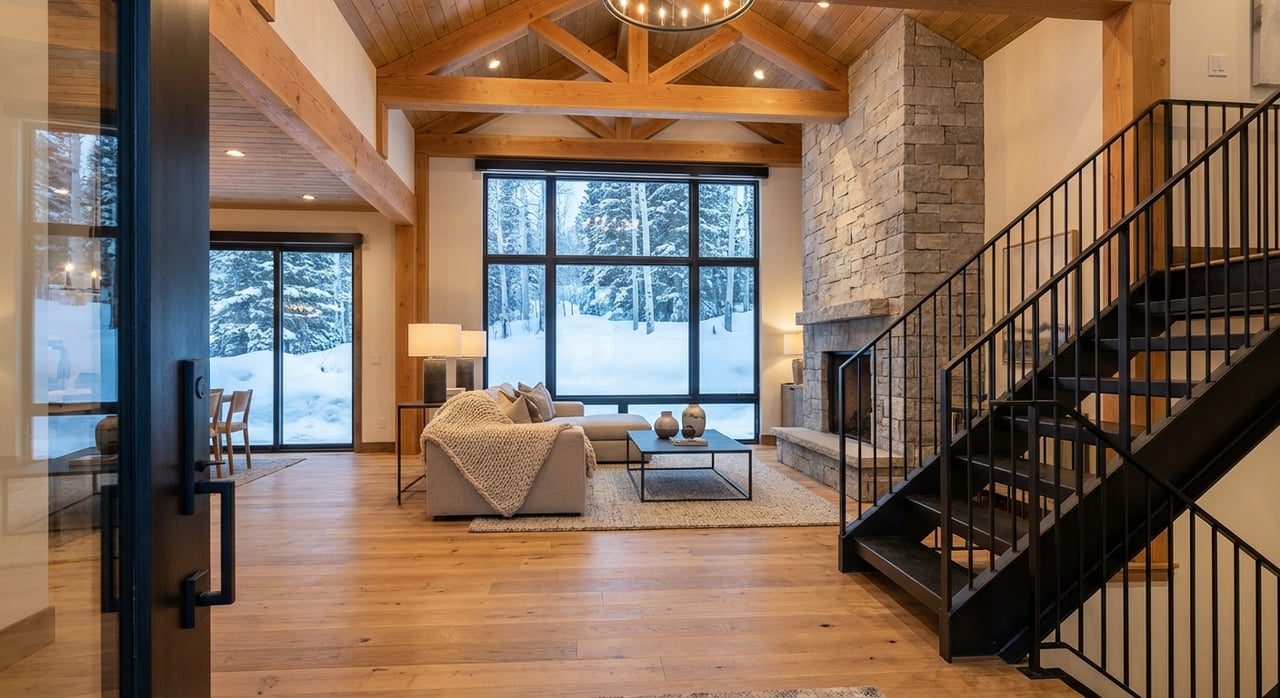
Large view windows are part of the lifestyle here, so the goal is not to shrink glass. Instead, you optimize U-factor to cut heat loss, choose SHGC by orientation, and maintain high visible transmittance so your views stay crisp and bright. Done right, you get comfort, code confidence, and the look buyers love.
Window ratings you can trust
Understanding a few key terms will help you compare products and speak the same language as installers and inspectors.
- U-factor: The rate of heat transfer through the entire window assembly. Lower numbers are better for insulation and comfort.
- SHGC: Solar Heat Gain Coefficient. The fraction of sunlight that becomes heat inside. Higher admits more heat, lower blocks it.
- Visible Transmittance (VT): How much visible light passes through. Higher VT keeps rooms bright and preserves views.
- NFRC label: A standardized label that lists whole-window U-factor, SHGC, VT, and condensation resistance. Inspectors and energy models rely on NFRC data, not glass-only numbers.
Typical performance ranges you will see on NFRC labels:
- High-performing double pane with one low-e coating and argon: U about 0.25 to 0.35, SHGC 0.30 to 0.50, VT 0.50 to 0.70.
- Triple pane with low-e and krypton: U about 0.12 to 0.22, SHGC 0.25 to 0.55, VT 0.40 to 0.60.
- Older single pane or non-low-e double pane: U typically above 0.50 and often lower VT.
Frames change whole-window performance. Wood-clad, fiberglass, and thermally broken aluminum frames help keep U-factors low while maintaining narrow sightlines. Non-thermally broken aluminum increases heat loss and can undermine glass performance.
Orientation strategies for Park City views
In Park City, a one-size-fits-all glass spec leaves value on the table. Tune SHGC and shading by direction so you can keep larger windows without sacrificing comfort.
South-facing glass
South windows can capture free winter heat while summer sun sits higher in the sky. Consider a moderate to high SHGC, about 0.40 to 0.60, to admit winter sun. Pair that with overhangs or exterior shading sized to block high summer sun while allowing low winter sun.
Look for coatings that keep VT high so views stay vivid while infrared heat is managed. Spectrally selective low-e coatings help with this balance.
West and east exposures
Afternoon sun from the west can be intense, especially with snow glare. Prioritize a lower SHGC, about 0.25 to 0.35, to control heat and glare. Exterior options like vertical fins, awnings, and operable shades add control during peak hours.
If you have large west-facing glass, consider glass with modest VT to soften glare while maintaining the view. Interior roller shades or exterior screens can help without creating a cave-like feel.
North-facing glass
North elevations receive no direct solar gain, so your main challenge is heat loss and condensation risk. Keep U-factors low and choose VT based on how important the view is. SHGC is less critical here.
Snow reflection and glare
Snow increases reflected light and can bump up solar gain even on winter days. If you notice significant reflected light on a particular elevation, consider nudging SHGC targets lower on that side or adding a layer of adjustable shading. Glare control solutions, from low-glare coatings to interior shades, can improve livability while keeping the glass area generous.
Frame, spacer, and glass choices that support views
You can keep sightlines slim and still hit strong energy targets. Select frames that balance structure, narrow profiles, and thermal performance. Fiberglass, wood-clad, and thermally broken aluminum often strike the best balance for mountain homes.
Warm-edge spacers reduce condensation at glass edges and boost whole-window performance. They also help with comfort when you are sitting near large panes on winter evenings.
Triple glazing can drive U-factors into the 0.12 to 0.22 range and tame condensation. High-performing double glazing can still work well when paired with the right coatings and careful installation. For dramatic view walls, triple pane often helps you maintain comfort without over-relying on heavy shades.
Dynamic glazing is another option in high-exposure locations. These systems can darken in response to sun, offering glare and heat control while preserving the view. Verify performance with NFRC-like data and review long-term durability if you pursue this route.
Code and permits in Summit County
Energy code compliance follows the state and local code adopted by Summit County and the City of Park City. Requirements can change, and remodel projects may be treated differently from new construction. Before you order windows, contact the local building department to confirm the current code version and whether your replacement scope triggers specific energy requirements.
Two common compliance paths are used in this market:
- Prescriptive path: Your windows must meet specific U-factor limits, and sometimes SHGC limits, by climate zone. This is straightforward but can be restrictive if you plan very large glazing areas.
- Performance path: A modeled approach that allows tradeoffs. You can add more glass on view walls if you improve other elements to meet the overall energy budget. This path often suits high-design remodels and large view windows.
Inspectors typically ask for NFRC labels or manufacturer spec sheets that show U-factor and SHGC for the installed units. They also look for air sealing, insulation continuity at the opening, and correct flashing and sill pan details. Keep product documentation and installation details organized to streamline approvals.
Practical specs and budgets that work here
These targets are practical for Park City’s cold mountain climate. Always verify local code before finalizing your order.
- Whole-window U-factor targets
- Good upgrade: U at or below 0.30.
- High performance: U about 0.20 to 0.25, often triple pane or select advanced double pane.
- SHGC by orientation
- South: about 0.40 to 0.60 with seasonal shading to capture winter sun.
- West: at or below about 0.25 to 0.35 to control afternoon heat and glare.
- North: SHGC is less important; prioritize low U and the VT that suits your view goals.
- Visible Transmittance
- Aim for VT at or above 0.50 on primary view windows to keep interiors bright and preserve mountain vistas.
- Frames and spacers
- Favor wood-clad, fiberglass, or thermally broken aluminum frames and warm-edge spacers for better comfort and condensation resistance.
Budget ranges vary by size, frame, glass package, and installation conditions. Use these as ballpark figures and get local quotes:
- Mid-range double pane, low-e, installed: roughly 700 to 1,200 dollars per standard window.
- High-performance triple pane or large custom picture windows: about 1,200 to 3,000 dollars or more per unit.
- Very large glazing systems, thermally broken aluminum walls, or dynamic glass: higher and project-specific.
On return on investment, you gain from lower heating demand, reduced condensation risk, and a clear improvement in curb appeal. Buyers notice new, high-quality windows in mountain properties, especially when the glass showcases big views without drafts or glare.
Installation and comfort details inspectors notice
Installation can make or break performance. A continuous air barrier around the opening limits drafts and heat loss. Proper flashing and a sill pan manage water, which protects your walls and framing long term.
Ask your installer how they will insulate around the frame and maintain insulation continuity at jambs and headers. For south elevations, confirm overhang geometry to let in winter sun and block higher summer sun. After upgrades, review HVAC and ventilation settings so your system matches the new heat gain and loss characteristics, and manage indoor humidity to help prevent condensation.
A smart planning checklist
- Collect NFRC labels and spec sheets for all candidate windows.
- Confirm the current Summit County or Park City energy code and whether your scope triggers upgrades.
- Get at least three bids from installers experienced with cold-climate detailing.
- Request written installation details for flashing, sill pan, air sealing, vapor control, and insulation around frames.
- Consider staged replacements. Prioritize the worst-performing units first, often north or west windows.
- For resale-driven remodels, favor high-VT picture windows with whole-window U at or below about 0.28 for the main view wall, and add a few triple-pane units in bedrooms and dining areas for comfort.
Quick scenarios and recommendations
If you are listing soon
Focus on visible impact and comfort in key rooms. Choose high-VT picture windows that hit a clear U-factor improvement and pair west windows with lower SHGC and simple exterior shading. Keep documentation tidy so buyers see quality and code awareness.
If you just bought and plan a phased retrofit
Start with the coldest rooms and any west-facing glass that causes afternoon overheating. Upgrade frames and spacers along with the glass. Plan south elevation overhangs now so you are ready when you replace those units.
If you want a dramatic view wall
Model the design early and consider the performance path. Triple pane with thermally broken aluminum or fiberglass frames often provides the best balance of structure, clarity, and comfort. Add operable exterior shading so you can tune for bright winter days with snow on the ground.
If you own a ski condo with HOA guidelines
Confirm what frame profiles and exterior finishes are allowed. Within those limits, prioritize U-factor and NFRC-listed performance. Use interior roller shades or discreet exterior solutions to manage west sun without changing the façade.
Next steps
If you want a second set of eyes on specs, orientation, and budget, reach out for local guidance tailored to your address and remodel timeline. A short planning call can save weeks during permitting and prevent costly re-orders.
Ready to align your window plan with Park City realities and your sale or purchase goals? Schedule a Consultation with Unknown Company.
FAQs
What do U-factor and SHGC mean for Park City heating bills?
- U-factor measures heat loss through the window, so lower U reduces winter heating demand. SHGC controls solar heat gain, which you tune by orientation to capture winter sun on the south and block afternoon heat on the west.
Will bigger windows ruin my winter energy costs in Lower Deer Valley?
- Not if you choose low U-factor glass, tune SHGC by direction, and use good installation and air sealing. Many owners keep large view windows comfortable with triple pane and sensible shading.
How do I balance mountain views with code requirements?
- Use NFRC-labeled products and choose the right compliance path. The performance path lets you keep larger glass if you trade off with better insulation or higher-performing windows elsewhere.
Which window upgrades deliver the best comfort for a modest budget?
- Target whole-window U at or below 0.30, lower SHGC on west exposures, and add warm-edge spacers. Improve air sealing and insulation around frames for outsized comfort gains.
Do I need a permit to replace windows in Summit County?
- Most projects require coordination with the local building department. Confirm the current code and whether your specific replacement scope triggers upgrades or falls under a replacement exception.
Should I choose triple pane or very low U double pane?
- Triple pane often wins for comfort, condensation control, and very low U-factors in cold climates. A high-performing double pane can still work when paired with careful orientation-specific SHGC and strong installation.
How should overhangs be sized for south-facing glass?
- Design overhangs to block high summer sun while admitting low winter sun. Pair with moderate to high SHGC south glass so you gain heat in winter without overheating in summer.
What installation details will inspectors check?
- Expect review of NFRC documentation, flashing and sill pan details, air sealing, and insulation continuity at the opening. Quality installation protects performance and durability.
How do I read an NFRC label on a replacement window?
- Look for whole-window U-factor, SHGC, and VT. Compare these numbers across products and verify they match the specs listed in your permit documents or energy model.