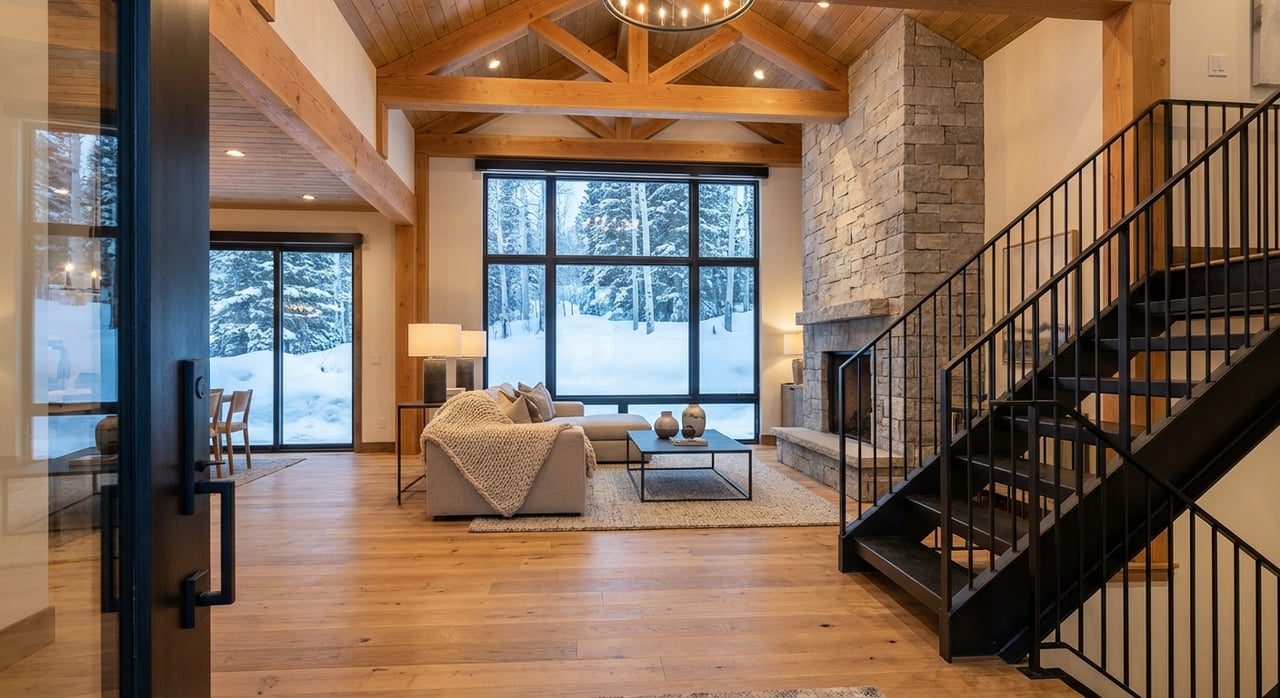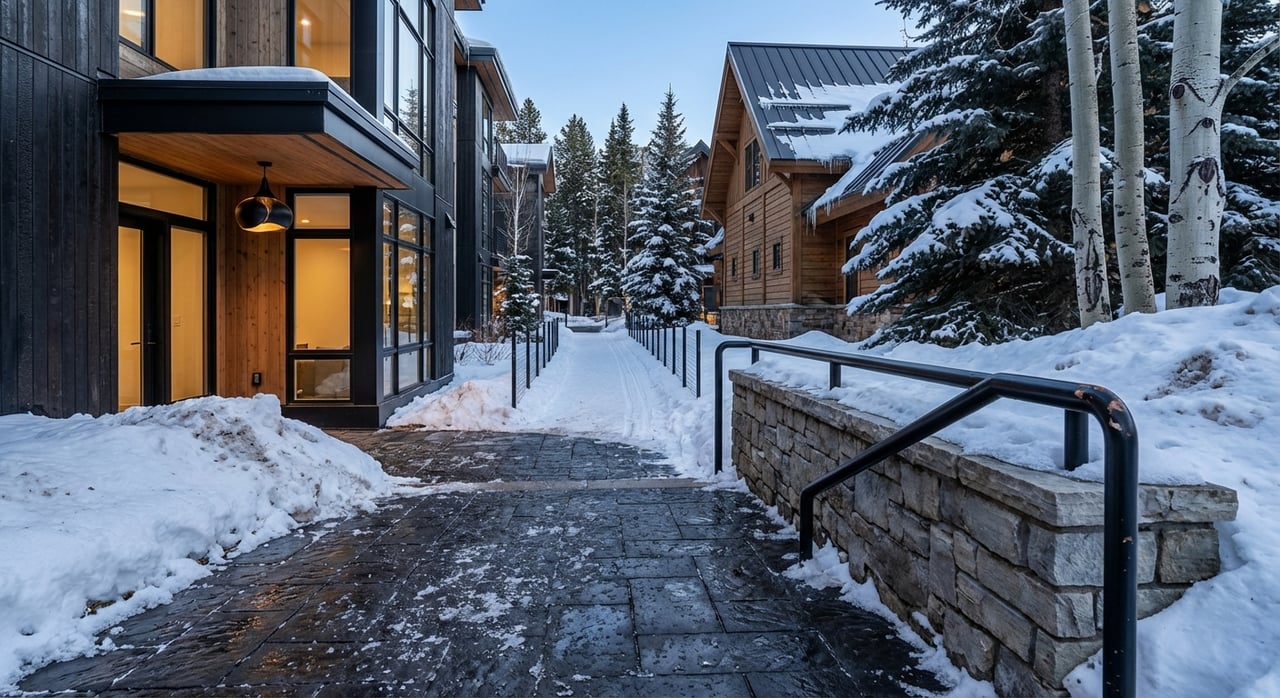
You love the idea of snow-covered mornings and quick access to the lifts. In Lower Deer Valley, that winter magic also brings real challenges: steep driveways, plow schedules, parking rules, and roof loads that can affect daily life and a future sale. Whether you own a home or are shopping for one, a clear winter access plan keeps you safe, mobile, and ready for showings. This guide walks you through every step, with practical tips and trusted local resources. Let’s dive in.
Understand Lower Deer Valley winters
Park City winters are long and snowy. You can expect heavy storms, frequent freeze–thaw cycles, and ice on roads and walkways. Local microclimates mean one street may see very different conditions than another a short distance away. For historical context, explore regional climate summaries through NOAA’s National Centers for Environmental Information.
Terrain also matters. Steeper slopes can collect and shed snow differently than valley floors. Regional avalanche hazards exist on steep terrain, and snow can slide off roofs or embankments onto walkways. If you are evaluating a home near steep slopes, check regional advisories from the Utah Avalanche Center and consider professional guidance. For localized snowfall patterns and seasonal context, review updates from Deer Valley Resort.
Map primary and alternate routes
Lower Deer Valley properties often rely on a few arterial and collector roads. When one route is restricted by a storm, you might need a backup path to town, state highways, or medical care. Map at least two routes for daily needs and one to the nearest hospital.
Before winter, sign up for state road alerts and review maintenance priorities. The Utah Department of Transportation publishes road conditions and winter travel guidance. Keep a printed route map in case your phone dies in cold weather. Also note typical winter travel times, which can double during major storms.
Know who plows your roads
Responsibility varies by jurisdiction. State routes are maintained by UDOT, city streets by Park City Municipal, county roads by Summit County, and private roads or drives by HOAs or owners. Confirm which agencies or contracts apply to each road segment that serves your home.
- For city snow policies, curbside rules, and communications, check Park City Municipal.
- For county-maintained roads and public works updates, visit Summit County.
If your home sits on a private drive, ask for the HOA’s plow contract and assessment schedule. If you are not in an HOA, secure your own contractor. Clarify response times, trigger depths, and what happens during back-to-back storms.
Plan parking and snow storage
On-street parking often tightens during snow events so crews can plow effectively. Local ordinances or HOAs may limit winter street parking, overnight curbside parking, or guest parking during active storms. Verify rules through Park City Municipal and your HOA documents.
On your property, plan where snow will go. Plow piles can block sightlines, shrink parking, and bury walkways. If space is tight, you may need periodic snow hauling. Mark utilities and sprinkler heads before the first storm to avoid damage during plowing.
Assess driveways and grading
Driveway slope, width, and turning radii determine if a standard plow truck can service your home. Long or steep driveways may require more frequent plowing or specialized equipment. Narrow aprons to the street can make it hard for plows to clear without pushing snow into the road.
When evaluating a home, note:
- Approximate slope and any switchbacks.
- Width at narrow points and the street apron.
- Turning radius for large vehicles and delivery trucks.
- Overhead clearance for trees and eaves.
If access is marginal, consider grading improvements or a snow-melt system. Coordinate with the local building department and your HOA before planning modifications.
Manage roofs and ice dams
Roofing materials, pitch, and snow guards affect how snow sheds. Large roof dumps can block entries, damage decks, or create fall hazards. Ice dams form when warm air escapes into cold roof areas, melting and refreezing snow. Proper insulation, ventilation, and gutters reduce risk.
Plan safe roof access for snow removal and confirm where snow should be staged. If you use roof heat cables, monitor them for proper operation and consider a professional evaluation before winter. When in doubt, consult a local roofing contractor with mountain experience.
Add smart snow-melt systems
Heated driveways and walkways can improve access, but they require thoughtful design and ongoing costs. Systems can be electric or hydronic and may involve permits, waterproofing, and electrical capacity checks. Roof heat cables also help manage ice in trouble spots.
Check local permitting rules through Park City Municipal and verify HOA approvals before installation. Ask for maintenance records and energy-use estimates, especially if you are evaluating a home that already has these systems.
Secure utilities and backup power
Cold snaps and storms can trigger short-term outages. If your home is all-electric, consider a generator or battery backup. If you use natural gas or propane, confirm service and delivery plans for winter access. Review outage procedures and restoration priorities with Rocky Mountain Power and your gas provider, such as Dominion Energy.
Winterize plumbing exposed to cold, including pipes in crawlspaces and exterior walls. Heat tracing and insulation can prevent freeze damage. If you rely on delivered fuel, consider automatic-fill programs and confirm that delivery trucks can reach your tank in deep snow.
Line up reliable snow services
Snow removal models include seasonal contracts, per-visit pricing, and automatic storm response. Equipment ranges from small plow trucks to loaders and skid steers for heavy winters. Match the contractor’s equipment to your driveway slope, width, and turning space.
Ask for proof of commercial liability insurance and clarify what happens in extreme events. Some homeowners keep a secondary contractor on standby. Document your preseason conditions with photos and mark edges, drains, and hazards before the first storm.
Keep emergency access clear
Emergency vehicles need clear width, adequate turning radius, and traction on steep grades. Confirm that your driveway and street meet local fire and EMS access standards and that house numbers are visible from the road. Map your route to the nearest hospital and note winter travel times.
For emergency care in the Park City area, review services through Intermountain Healthcare. If anyone in your household has medical needs that depend on power, register with your utility and local emergency services as appropriate.
Buyer checklist: winter due diligence
Use this list when you evaluate a Lower Deer Valley home in winter.
- Verify who maintains each road segment, the frontage, and the driveway; request HOA or private plow contracts.
- Ask for plow easement maps and any site plan that shows where trucks stage and pile snow.
- Request photos or video of the property during peak winter.
- Ask about past issues: blocked access, ice dams, roof repairs, tree failures, generator use, and outages.
- Review HOA CC&Rs, reserve studies, and recent minutes that discuss winter services or special assessments.
- Confirm utilities and fuel logistics, including propane delivery cadence or automatic-fill.
- Verify access for emergency vehicles: width, slope, turning radius, and street address visibility.
- Arrange a winter-season inspection or add a cold-weather inspection item to your due diligence.
Seller checklist: listing readiness
Make it easy for buyers and agents to reach your home safely all season.
- Contract snow removal with defined response times and a backup plan for big storms.
- Keep walkways clear and add grit or mats where needed; mark edges and hazards.
- Address obvious roof-snow risks and confirm snow guards and heat cables are secure and operational.
- Document improvements and maintenance: heated surfaces, insulation upgrades, roofing work, generator service.
- Stage photos that show clear access and safe egress during winter.
- Warm the home for showings and post simple signage that guides visitors to safe entries.
Build your preseason action plan
A simple timeline helps you stay ahead of the weather.
- 60–90 days before snow: Map routes, confirm who plows what, and sign a snow-removal contract. Service the boiler or furnace and test any snow-melt systems.
- 30 days before snow: Trim hazard limbs near driveways, mark edges and utilities, and stock de-icer and sand. Order winter tires and confirm AWD or 4WD readiness. Consider carrying chains if conditions warrant.
- First storms: Walk the site during daylight to check where snow piles form. Adjust markers and storage areas if piles block sightlines or parking.
- Midseason audit: Review contractor performance, confirm propane or fuel levels, and clear roof or deck loads if needed by a qualified pro.
For winter driving, choose dedicated winter tires and consider a vehicle set up for snow. Local rules vary on studded tires, so check current guidance before installing them.
When you plan ahead, winter in Lower Deer Valley feels effortless. If you want help evaluating a specific property or prepping your home for a successful winter listing, connect with Josh Chapel for a tailored plan and local expertise.
FAQs
Who plows Lower Deer Valley roads and my driveway?
- It depends on jurisdiction: UDOT maintains state routes, Park City or Summit County handle public streets, and HOAs or owners are responsible for private roads and driveways; verify contracts and maintenance maps.
What winter parking rules affect guests in Park City?
- Many mountain towns restrict on-street parking during snow events to allow plowing; review current policies and seasonal rules through Park City Municipal and your HOA before hosting.
Are avalanche hazards a concern near Lower Deer Valley homes?
- Regional hazards exist on steep slopes and snow can shed from roofs; consult the Utah Avalanche Center for advisories and engage local professionals if a property sits below steep terrain.
Do I need a heated driveway or just reliable plowing?
- Many homes function well with a strong plow plan and good snow storage; heated systems add convenience but require permits, ongoing maintenance, and energy capacity, so weigh costs and benefits.
What vehicle and tires work best for Park City winters?
- AWD or 4WD paired with dedicated winter tires offers the most reliable traction; check local rules if you are considering studded tires and carry chains where conditions require.
How do I plan for power or gas service during storms?
- Review outage and restoration procedures with Rocky Mountain Power, confirm gas service with your provider, consider a generator or battery backup, and ensure delivery trucks can access your property in deep snow.