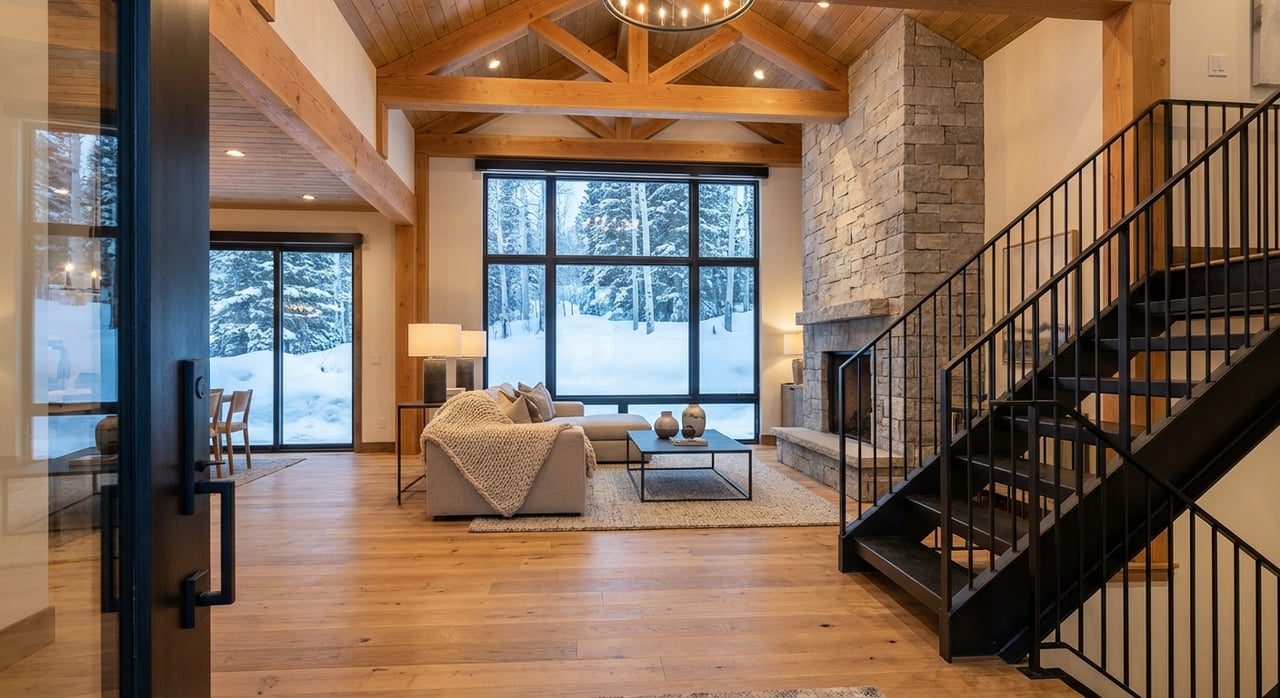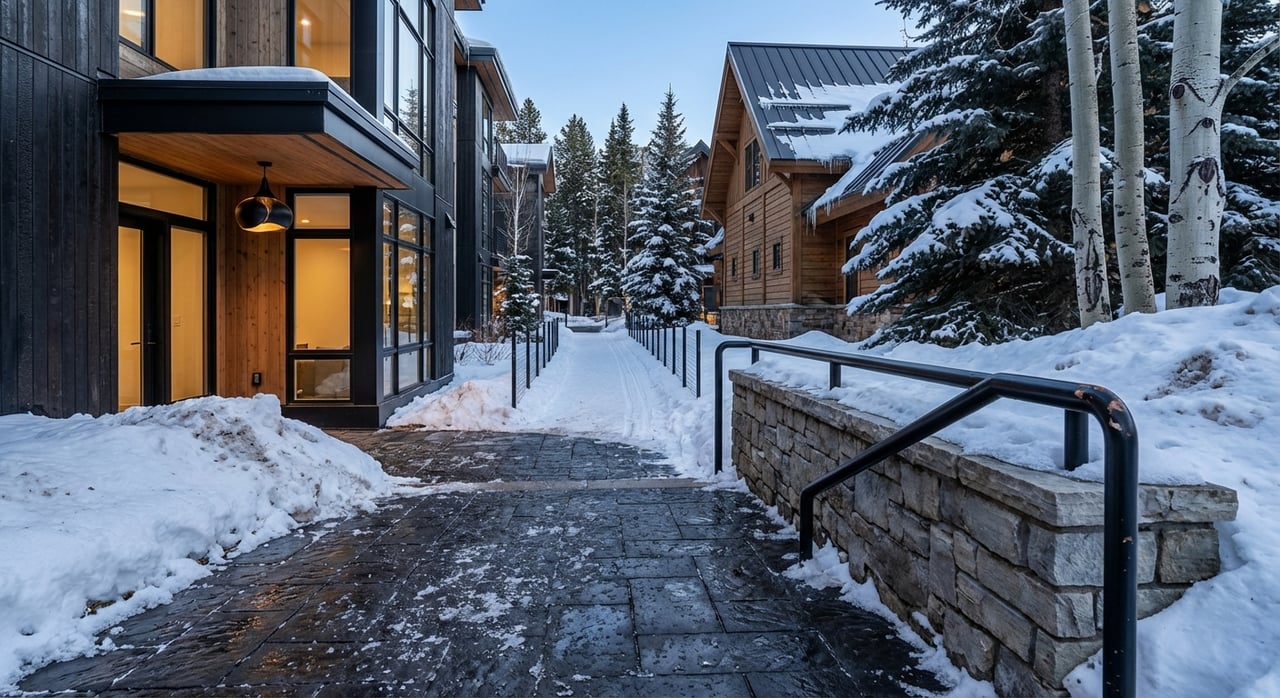
You can glance at a glossy resort rendering and feel excited, but the real decisions happen on the site plans. If you are considering East Village at Deer Valley in Park City, you want to understand what is proposed, what is approved, and what is recorded. In this guide, you will learn how to read master plans and site plans, spot key symbols, and ask the right questions before you commit. Let’s dive in.
Know the plan types first
Before you evaluate a building or a view, confirm which document you are holding. Not all plans carry the same weight.
- Conceptual master plans and marketing renderings show vision and mood. They look great but are not binding.
- Approved master plans or Conditional Use Permit (CUP) documents carry legal conditions on use, density, height, and phasing.
- Recorded plats and subdivision maps define legal boundaries, easements, and building envelopes. Treat these as your legal map.
- Engineering and site plans guide construction and show utilities, grading, and exact footprints.
- CC&Rs, HOA documents, and deed restrictions govern use rules, parking allocations, rentals, and maintenance.
- As-built drawings reflect what was actually constructed after completion.
When you read any East Village plan, check the date and whether it is labeled conceptual, approved, or recorded.
Start with the legend, scale, and north arrow
The legend decodes colors and symbols for buildings, trails, roads, and easements. Read it first. The scale lets you convert inches to feet so you can estimate real distances and walking times. The north arrow orients the plan so you can translate sun, shade, winds, and view directions to the site.
Tip: At a normal walking pace on flat ground you cover roughly 1 mile in 15 to 20 minutes. On snow or uphill paths, budget at least double the time.
Read the terrain with contours
Contour lines show elevation. Lines close together signal steep slopes. Lines farther apart indicate gentle terrain. Use elevation differences to anticipate access, foundation type, and winter maintenance needs. A steep approach can affect snow removal and daily convenience.
Footprints versus building envelopes
A building footprint is the proposed outline on the ground. A building envelope is the legal area where a structure may be built and may include setbacks and height limits. Marketing footprints can shift. The recorded envelope controls the final placement and massing.
Height, massing, and views
Look for height callouts and section lines that show how a building sits on the slope. Some plans reference absolute elevations, such as a roof height tied to a benchmark. Height and massing impact shadowing, sightlines to ski runs, and view corridors. If views matter to you, scan for adjacent building footprints and note future phases that could change the outlook.
Access, circulation, and parking
Review vehicle access routes, emergency lanes, and drop-off zones. Map pedestrian paths, sidewalks, plazas, and ski corridors. Identify resident parking versus guest parking and whether stalls are underground, structured, or surface. Parking design influences daily ease and can affect HOA costs, especially with structured garages.
Ski access and resort connectivity
On master plans, find lift alignments, ski runs, and any labeled ski easements. Confirm whether “ski-in/ski-out” depends on public easements, private links controlled by the developer, or routes that cross roads or plazas. Verify whether lifts or runs shown are existing, planned, or purely conceptual.
Utilities, service, and staging areas
Engineering plans often mark power transformers, utility corridors, water and sewer lines, stormwater facilities, and loading docks. Check whether utility capacity is in place or slated for future upgrades that could bring assessments. Look for temporary construction staging that might affect access or noise during early phases.
Landscaping and open space
Landscape plans identify retained trees, new plantings, and open-space designations. Clarify if plazas, trails, and green space are public or private resort amenities, and who maintains them. Maintenance responsibilities influence costs and operations.
Easements and encumbrances
Easements for utilities, public trails, and ski access can cross parcels and restrict where you can build or move. Recorded plats show permanent easements. If the plan references easements but the recorded documents are unclear, flag it for clarification.
Phasing and timelines
Phasing maps show what opens when. Compare your expected move-in to the delivery timing of lifts, restaurants, pools, or spa facilities. Some areas may serve as temporary staging or parking during early phases. If an amenity is critical to your decision, confirm timing in writing.
A step-by-step checklist for East Village buyers
Use this simple workflow when you review Deer Valley East Village materials.
- Obtain the right documents
- Request the latest marketing master plan, the approved master plan or CUP, recorded plats, CC&Rs, detailed site and grading plans if available, and the phasing schedule.
- Ask for recorded versus concept versions and confirm dates on every file.
- Verify legal documents first
- Compare marketing pieces to the recorded plat and CUP conditions. Treat recorded and approved documents as your baseline.
- Check orientation and distances
- Use the scale and north arrow to measure distances to lifts, base plazas, transit stops, and parking. Convert to estimated walking times and adjust for slope and snow.
- Evaluate access and circulation
- Map how you would get from your parking space to the residence, then to lifts and amenities in winter. Look for heated sidewalks or shuttle services if indicated.
- Confirm ski access claims
- Identify whether access relies on public easements or private paths and whether any route crosses a road or public area.
- Verify if shown lifts and runs are existing, planned, or conceptual.
- Check phasing and amenity timing
- Note which amenities are phase 1 versus later. Ask for expected completion dates tied to your closing window.
- Analyze building orientation for sun and views
- Determine primary view directions and check for possible future obstructions. Consider morning and afternoon sun for comfort and snow melt.
- Review easements and maintenance
- Identify easements on or near your parcel and confirm who handles snow removal and upkeep.
- Read HOA and CC&Rs carefully
- Look for short-term rental rules, owner rental programs, parking enforcement, and shared-cost mechanisms for roads, shuttles, or garages.
- Confirm municipal and environmental constraints
- Ask about special overlays, view protections, flood designations, or avalanche mitigation measures that may guide future work.
- Visit the site and cross-check
- Walk the site with a printed plan and a compass if possible. Note slopes, access paths, and vegetation. Visit in winter if winter access is a priority.
Buyer questions to ask the developer or seller
- Which parts of this plan are recorded and enforceable versus conceptual?
- Is this building within the recorded building envelope and what are the confirmed setbacks and height limits?
- Where are my assigned parking spaces and are they deeded or controlled by the HOA?
- What infrastructure is existing versus planned, and what are the timelines for lifts, roads, and utilities?
- Are there recorded easements crossing this lot and who maintains them?
- What are the projected HOA assessments and what do they include today?
- Are there rental program requirements and what assumptions back any projected rental revenue?
Common pitfalls and red flags
- Relying only on renderings. Marketing images can omit future phases or show paths that are not approved. Cross-check with recorded and approved documents.
- Plans without a legend, scale, or north arrow. If these are missing, you cannot make reliable comparisons.
- Vague “ski access” or “resort plaza” labels. Clarify if access is public, private, or dependent on future approvals.
- Missing recorded plat or incomplete CC&Rs. If you cannot review the legal documents before contracting, proceed with caution.
- Unclear phasing for key amenities. If a promised feature matters to you, request milestone dates in writing.
- Intrusive easements with no mitigation plan. These can limit use or add visual and noise impacts.
- Underestimated parking or transit needs. Ask for documented transit commitments and winter operations policies.
- Ignoring snow and slope realities. Steep grades and exposed sidewalks affect safety, convenience, and costs.
- Conflicts between sales promises and municipal approvals. Treat contradictions as a red flag that needs resolution before you buy.
Where to verify details
Authoritative sources for East Village at Deer Valley include the resort’s official maps and statements for lift and terrain context, Park City Planning Division and Summit County Planning for applications, staff reports, approvals, and CUP conditions, and the county recorder or city GIS for recorded plats, easements, and parcel data. Utility providers, Park City Transit, and municipal public works can confirm service routes and capacity. Recorded CC&Rs, bylaws, and operating budgets clarify use rules and costs. For independent confirmation, consider a surveyor or civil engineer.
On-site reading tips
- Bring a printed plan with the legend, scale, and north arrow visible. Mark your route from parking to the residence, then to lifts and the base plaza.
- Note steep transitions and pinch points where snow or ice could accumulate.
- Stand where your unit would be and sightline toward potential view corridors. Check nearby footprints and future-phase labels that could change the view.
- Time the walk to key amenities and compare it to your scaled estimates for accuracy.
Bringing it all together
When you can translate drawings into real distances, grades, and obligations, you make sharper decisions at East Village Deer Valley. Focus on what is recorded and approved, verify access and phasing, and align the plan details with how you want to live and use the property. A careful read helps you protect lifestyle goals and long-term value.
If you want a second set of eyes on an East Village plan set or need help sourcing the right documents, connect with Josh Chapel for a focused, local review and clear next steps.
FAQs
What documents matter most when reviewing East Village plans?
- Prioritize the approved master plan or CUP, recorded plats, and CC&Rs. Use marketing renderings only for general context.
How do I verify ski-in/ski-out access for a specific unit?
- Check for recorded ski easements or public access routes on the plat and confirm whether any connection depends on future approvals or crossings.
What should I look for on a site plan’s legend and scale?
- Use the legend to decode symbols and the scale to convert plan distances to walking times, then adjust for slope and winter conditions.
How can phasing impact my lifestyle after closing?
- If a lift, spa, or restaurant is in a later phase, you may not have that amenity right away. Ask for timing commitments tied to your move-in.
Who handles snow removal and maintenance in East Village?
- Responsibilities are typically defined in CC&Rs and HOA documents. Confirm who clears sidewalks, ski paths, and shared access routes.
What are common red flags in resort master plans?
- Missing scale or north arrow, vague ski access labels, no recorded plat, unclear easements, and contradictions between sales materials and approvals.
How do I assess potential views from a planned unit?
- Use the north arrow and adjacent building footprints, plus future phase outlines, to evaluate sun exposure and possible view obstructions.